WHEN SUMMER TAKES A TOLL ON YOUR GARDEN
By July, Kansas City gardens can go from thriving to tired almost overnight. Relentless heat, warm nights, drying winds, heavy downpours, missed waterings, hungry insects, and nonstop summer growth can push even well-established plants to their limit. Suddenly, containers are drooping, hydrangeas are wilting, and annuals that looked beautiful a week ago seem faded and worn out.
Before you assume the worst, take a closer look. Many midsummer plant problems are signs of stress, not failure. With the right watering, feeding, pruning, pest checks, and a little timely care, many plants can recover and keep your garden looking strong through the rest of summer.
First, Check the Soil
When a plant looks wilted, it is easy to assume it needs more water right away. Sometimes it does, but sometimes the soil is already wet. Before watering, check the soil with your finger a few inches below the surface. If the soil feels dry, it is time to water deeply. If it feels wet or soggy, hold off and let the plant breathe.
Too much water can be just as stressful as too little water. Roots need oxygen, and constantly wet soil can lead to yellow leaves, weak growth, and root problems. This is especially common in containers without good drainage or garden beds that received heavy rain.
Suburban Recommends: Keep a watering wand, a hose-end nozzle, or a moisture meter handy so you can water more evenly and check the soil before guessing.
Water Deeply, Not Just Quickly
In July heat, a quick splash of water usually is not enough. Shallow watering encourages shallow roots, which dry out faster and make plants more vulnerable to heat stress. Trees, shrubs, perennials, vegetables, and containers all do better with a deep, thorough soaking.
For garden beds, water slowly so moisture can move down into the root zone. For containers and hanging baskets, water until it runs out the bottom of the pot. If water runs straight through very quickly, the soil may be too dry to absorb moisture well. In that case, water once, wait a few minutes, and water again.
Morning is usually the best time to water. It gives plants moisture before the hottest part of the day and allows foliage to dry more quickly.
Add Mulch Where Soil Is Exposed
If your garden beds are drying out fast, mulch can make a big difference. A fresh layer of mulch helps hold soil moisture, keeps roots cooler, reduces weeds, and gives beds a cleaner look during the hottest part of summer.
Mulch should be spread around plants, but not piled against stems, trunks, or crowns. Keep mulch pulled back slightly from the base of plants so air can move and moisture does not sit directly against the plant.
Suburban Recommends: If your beds are drying out quickly between waterings, refresh mulch around trees, shrubs, perennials, and landscape beds.
Look for Heat Stress
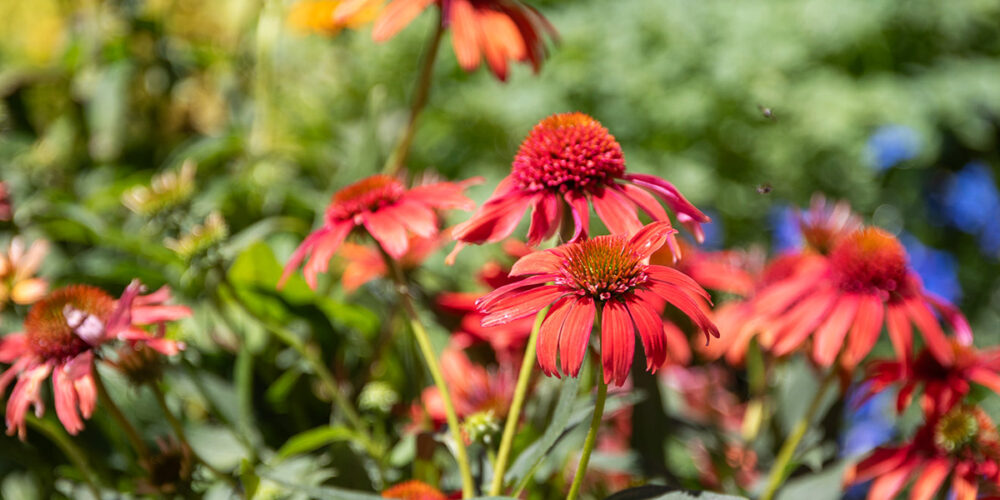
Some plants wilt during the hottest part of the day, even when the soil has moisture. Hydrangeas are a common example. Their large leaves lose water quickly in summer heat, and they may droop in the afternoon but perk back up in the evening or by morning.
If a plant wilts during the afternoon but looks better later, it may simply be reacting to heat. If it stays wilted in the morning, that is a stronger sign that it needs attention.
Heat stress can also show up as crispy leaf edges, faded blooms, slowed growth, or leaves that look dull instead of bright and healthy.
Feed Tired Annuals and Containers
By July, many annuals and container plants have been blooming hard for weeks. They may need a little help to keep going. Regular watering washes nutrients out of containers, and heavy bloomers use up nutrients quickly.
If your petunias, calibrachoa, geraniums, or mixed containers look tired, try trimming back leggy growth, removing spent blooms if needed, and feeding with the right plant food. A light trim can encourage fresh growth and new flowers.
Suburban Recommends: Use a fertilizer formulated for blooming plants to help annuals, hanging baskets, and patio containers keep color color through summer.
Check for Insects and Disease
July is also a big month for garden pests. Japanese beetles, bagworms, spider mites, aphids, and other insects can make plants look stressed fast. Look closely at leaves, stems, flowers, and the undersides of foliage. Chewed leaves, sticky residue, webbing, browning needles, or clusters of insects are all signs that pests may be part of the problem.
Plant diseases can also show up in hot, humid weather. Watch for spotting, yellowing, mildew-like coating, or leaves dropping from the bottom of the plant.
If you are not sure what you are seeing, take a few photos or bring a sample to Suburban. Our Garden Advisors can help you identify the issue and choose the right next step.
Move Containers Out of Extreme Heat
Containers heat up much faster than garden soil. Black pots, small containers, hanging baskets, and plants sitting on concrete or patios can dry out quickly in July. If a container looks stressed every afternoon, it may need a little protection.
Move sensitive containers where they receive morning sun and afternoon shade, or group pots together so they help shade each other. Hanging baskets may need water once or even twice a day during extreme heat, especially if they are full and blooming heavily.
Do Not Give Up Too Soon
A sad-looking plant in July is not always a lost cause. Start by checking the soil, adjusting your watering, adding mulch where needed, trimming tired growth, and looking closely for pests or disease. Many plants can recover once the stress is corrected.
If you are unsure what is wrong, we are happy to help. Bring photos, leaves, or a small sample to any Suburban Lawn & Garden location, and our Garden Advisors can help you figure out what your plant needs.
Visit Suburban for July Plant Help
July gardening in Kansas City can be challenging, but you do not have to guess your way through it. Whether your plants need better watering, fresh mulch, fertilizer, pest control, or a little advice, Suburban Lawn & Garden has the supplies and local garden help to keep your summer garden looking its best.
Come Grow with Us!