A LITTLE FALL PLANTING, A LOT OF SPRING COLOR
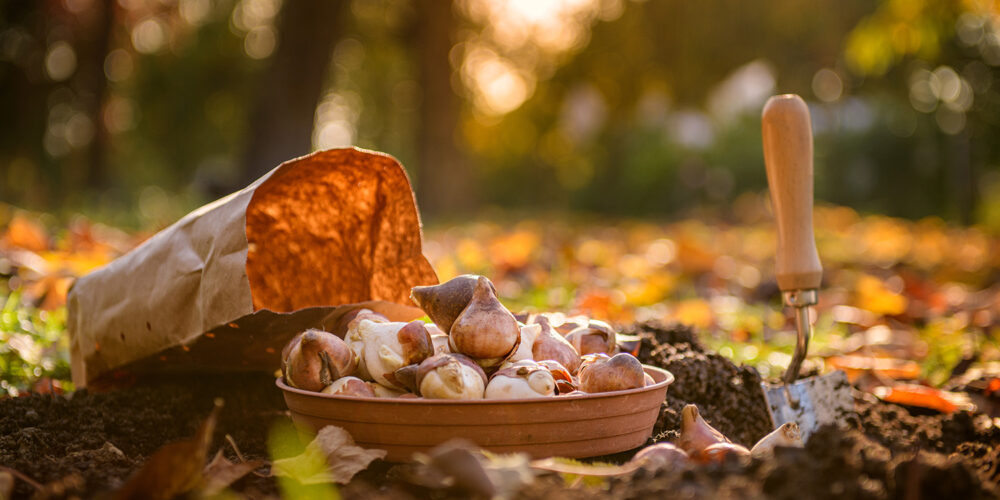
Some of the first flowers we look forward to every spring get their start months earlier. Tulips, daffodils, alliums, hyacinths, crocus, and other spring-blooming bulbs are planted in the fall, giving them time to develop roots and experience the cold temperatures they need before putting on their spring show.
Planting a little now can mean weeks of color to look forward to after winter.
Why Plant Spring-Blooming Bulbs in the Fall?
Spring-blooming bulbs need a period of cold temperatures before they can flower. Planting them in the fall allows bulbs to begin establishing roots before winter while nature provides the chilling period they need.
That means the tulips, cheerful daffodils, and dramatic alliums you enjoy in April and May really begin with a little planning in the fall.
When Should You Plant Fall Bulbs in Kansas City?
Fall is bulb-planting season in the Kansas City area.
October is a great time to begin planting as temperatures cool and the soil is no longer hot. The goal is to get bulbs into the ground early enough to begin developing roots before the ground freezes, but late enough that cool fall conditions have arrived.
If you purchase your bulbs before you’re ready to plant, keep them in a cool, dry location until planting time.
Start With the Right Location
Most spring-blooming bulbs grow best where they receive plenty of sunlight and have well-drained soil.
Good drainage is especially important. Bulbs that remain in wet soil through the winter can rot, so avoid low areas where water tends to collect.
And don’t immediately rule out the area beneath a deciduous tree. Many spring bulbs complete much of their growth before trees fully leaf out, allowing them to take advantage of early spring sunshine.
Not Sure What to Plant? Try These Bulb Grouping Ideas
Part of the fun of planting bulbs is creating combinations rather than choosing just one flower. Think about where you’re planting, when you’d like to see color, and the overall look you’d like to create.
For Sunny Garden Beds
Combine tulips, daffodils, and alliums for layers of color, shape, and height.
Try grouping taller alliums toward the back or throughout the bed, then add clusters of daffodils and tulips around them. Instead of planting one bulb here and another there, repeat groups throughout the bed for a fuller spring display.
For Part Shade & Woodland Areas
Daffodils, crocus, and other smaller spring bulbs can be beautiful beneath deciduous trees and along woodland edges.
These areas may appear shady later in the season but can receive plenty of sunlight in early spring before the trees completely leaf out.
For the Earliest Signs of Spring
If you’re ready for color as soon as winter begins to fade, combine crocus, early daffodils, and early-blooming tulips.
Plant them near a walkway, entrance, or window where you’ll be able to enjoy those first signs of spring.
For a Longer Spring Show
You don’t have to have everything bloom at once.
Look for bulbs labeled early, mid, and late spring and combine different bloom times. Daffodils, several types of tulips, and later-blooming alliums can help carry color through more of the spring season.
For a Natural Look
Skip the straight rows and plant bulbs in clusters or drifts.
Groups create much more impact than individual bulbs scattered throughout the landscape. Larger groupings can also give a garden a relaxed, natural appearance as the flowers emerge in spring.
For Containers
You don’t need a large garden bed to enjoy spring bulbs.
Fall bulbs can also be planted in containers. Larger bulbs can be planted deeper with smaller bulbs positioned above them, creating layers of flowers that emerge at different heights and times.
Be sure to choose a container with excellent drainage and consider how it will be protected through our winter weather.
How Deep Should You Plant Bulbs?
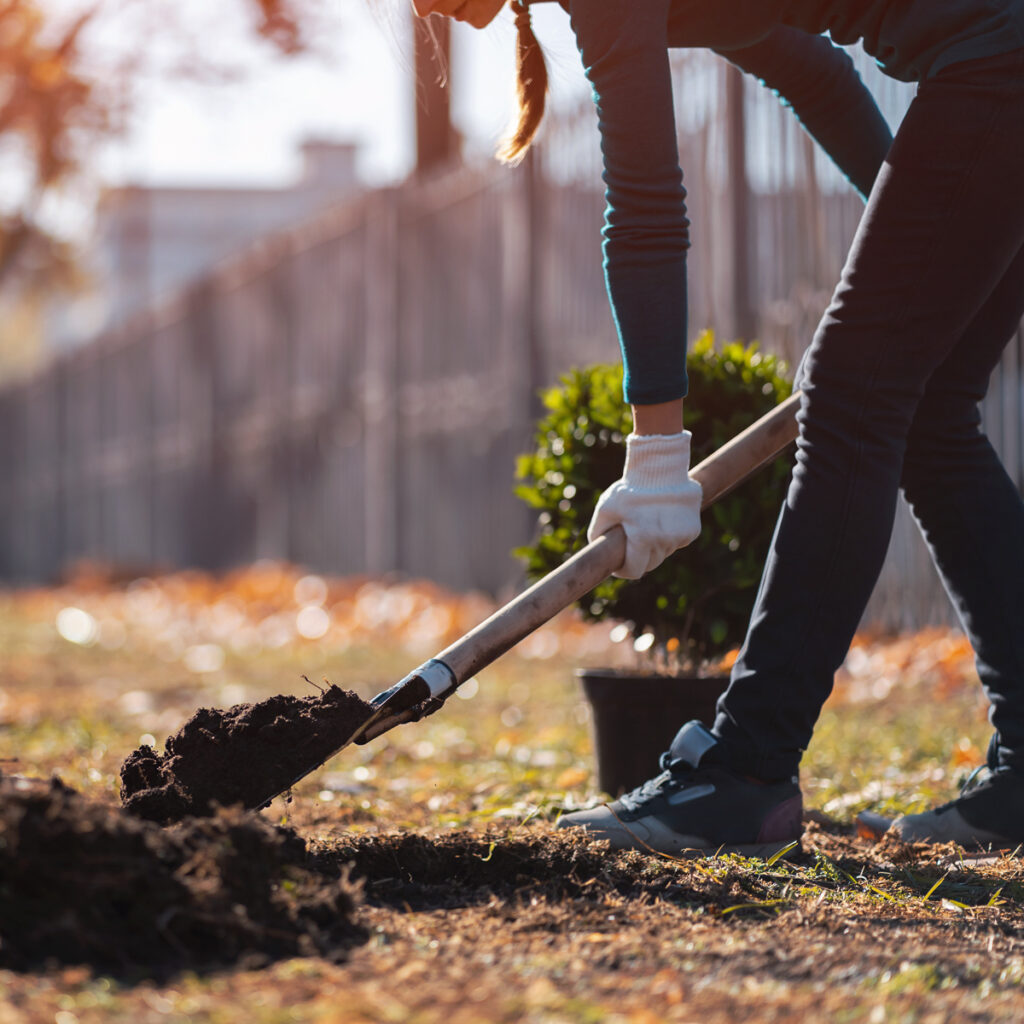
A good general rule is to plant bulbs approximately two to three times as deep as the bulb is tall.
Large bulbs such as tulips and daffodils are planted deeper than smaller bulbs such as crocus.
When planting:
- Place the bulb with the pointed end facing up.
- Plant at the recommended depth for that particular bulb.
- Cover with soil and gently firm the area.
- Water thoroughly after planting.
- After the soil has cooled, add a layer of mulch to help moderate soil temperatures and retain moisture.
Always check the instructions for the bulb variety you’re planting, since recommended depth and spacing can vary.
Suburban Recommends: What You'll Need to Plant Fall Bulbs
You don’t need a lot of special equipment to get started, but a few basics can make fall bulb planting easier.
A Bulb Planter or Garden Trowel
A bulb planter makes it easy to create consistent planting holes, especially when you’re planting larger groups. A sturdy garden trowel works well for smaller projects and containers.
Healthy, Well-Drained Soil
Drainage is one of the most important ingredients for bulb success. If your soil is heavy or doesn’t drain well, talk with one of our Garden Advisors about the best way to improve the planting area before adding bulbs.
Bulb Food or Soil Amendment, If Needed
Depending on your existing soil, a bulb fertilizer or soil amendment may help support healthy root development. Follow product directions and avoid overfertilizing. If you’re not sure what your garden needs, we’re happy to help you choose the right product.
Mulch
A layer of mulch after the soil has cooled can help moderate soil temperatures, conserve moisture, and protect the planting area through winter.
A Little Patience
This might be the most important thing you’ll need. Once the planting is finished, nature does most of the work until those first shoots begin appearing in spring.
Don't Forget About Next Year
Once your bulbs have bloomed in spring, don’t be too quick to cut back the leaves.
The foliage continues collecting energy that helps replenish the bulb for next year’s flowers. Allow it to naturally yellow and decline before removing it.
One garden trick is to plant bulbs among perennials. As the perennials begin growing in spring, their emerging foliage can help disguise bulb leaves as they begin to fade.
A Little Fall Work for a Beautiful Spring
Planting fall bulbs is one of gardening’s best examples of delayed gratification. There may not be much to see above ground this fall, but underneath the soil, next spring’s garden is already getting started.
Whether you want a sweep of daffodils, a colorful tulip display, towering alliums, or a mix that blooms throughout spring, now is the time to make your plan.
Need help deciding what to plant together or finding the right bulbs for your garden? Ask one of our friendly Garden Advisors. We’re always happy to help you choose bulbs, planting supplies, and combinations that work for your space.
Plant now. Enjoy spring later.