LEARN WHAT TO TIDY, PROTECT, AND LEAVE UNTIL SPRING
Fall cleanup can feel like a long list of chores. Leaves pile up, summer plants fade, and there always seems to be one more project to finish before winter.
The good news is that you do not have to clean up everything at once — and some things are better left alone until spring.
A thoughtful fall yard cleanup can help protect your lawn, reduce pest and disease problems, prepare garden beds for colder weather, and make spring easier.
Start With the Lawn
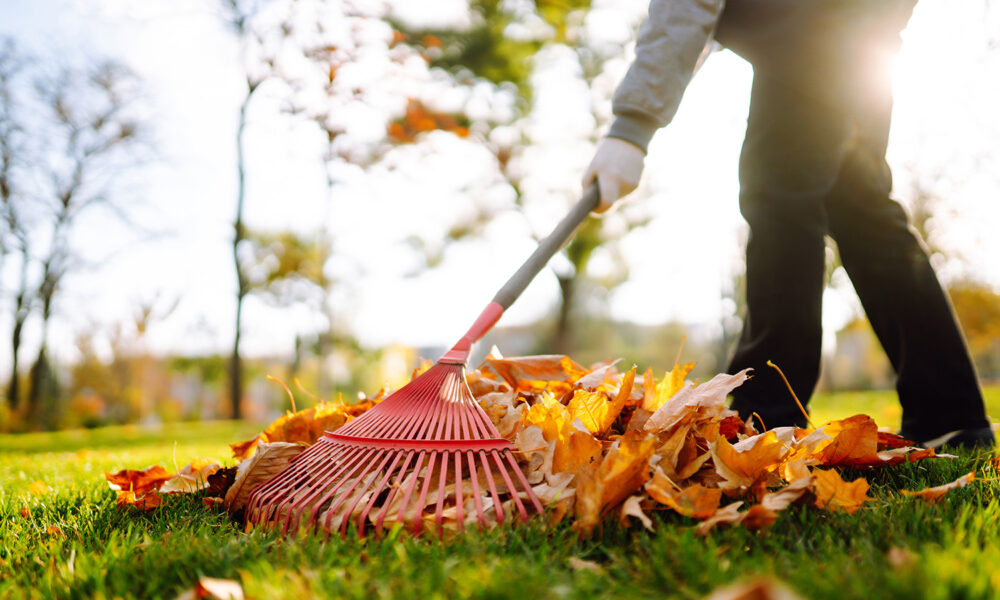
Continue mowing as long as the grass is actively growing and avoid letting a heavy layer of leaves sit on the lawn for too long. Thick, wet leaves can mat together and block sunlight and air from reaching the grass. These steps can help you feel confident caring for your lawn’s health.
You can often mulch light leaf coverage with a mower and let it break down naturally. When leaves become too heavy, remove the excess.
Put Fallen Leaves to Work
Leaves can be useful around the yard, giving you a chance to feel resourceful and environmentally friendly.
Use shredded leaves in garden beds, add them to compost, or mulch them back into the lawn in light layers.
If you prefer to bag your leaves, Suburban’s Leif Lawn Bags make it easy to collect and transport clean yard waste.
And when you have more leaves and yard debris than you can use at home, bring acceptable clean yard waste to Suburban Lawn & Garden’s Yard Waste Recycling Center.
Before heading over, check current guidelines for accepted materials, hours, and any applicable fees.
Clean Up Diseased or Damaged Plants
Some garden cleanup should happen in fall.
Remove diseased, damaged, or heavily insect-infested plant material so certain pests and diseases have fewer places to overwinter.
You can also remove spent annuals and finished vegetable plants now.
Healthy perennial growth, however, does not always need to be cut back.
Not Everything Needs to Be Cut Back
It can be tempting to cut every perennial to the ground, but leaving some healthy stems and seed heads can benefit the garden.
Coneflowers, ornamental grasses, black-eyed Susans, sedum, and other plants can add winter interest, feed birds, and offer shelter for beneficial insects.
If a plant is healthy and still looks good, it can often wait until spring.
What Should You Remove?
Focus on:
- Diseased foliage
- Broken or damaged stems
- Spent annuals
- Finished vegetable plants
- Material with significant pest problems
Healthy perennials can often stay.
Give Garden Beds a Quick Reset
Fall is a good time to pull remaining weeds, remove unwanted debris, tidy bed edges, and check your mulch.
A fresh or replenished layer of mulch can help moderate soil temperatures and protect roots as colder weather arrives.
This is especially helpful around newly planted trees, shrubs, conifers, evergreen shrubs, and perennials that are still getting established.
Keep Watering New Plants
Cooler weather does not always mean plants no longer need water.
Newly planted trees, shrubs, and perennials may still need supplemental watering during dry fall weather. Continue checking soil moisture until consistently cold conditions arrive and the ground begins to freeze.
Evergreens can especially benefit from going into winter well hydrated.
Clean Up the Vegetable Garden
Once vegetable plants have finished producing, remove spent plants and fallen fruit.
You can often compost healthy plant material. Remove diseased material from the garden.
This is also a good time to pull weeds and add compost or other organic matter to help prepare beds for next spring.
Prep Tools and Watering Supplies for Winter
Before freezing weather arrives:
- Empty and disconnect garden hoses
- Drain watering tools and accessories
- Clean soil from shovels and pruners
- Sharpen or inspect tools as needed
- Store garden products according to label directions
- Put away items that freezing temperatures could damage
A little attention now can help prevent damage and make spring setup easier.
Fall Cleanup Does Not Have to Happen All at Once
Prioritize tasks that protect your lawn and garden, like managing heavy leaves and removing diseased plants, to keep readers focused on essential fall cleanup efforts and stay motivated.
Then decide what can wait, helping you feel more in control and less overwhelmed as you manage your yard at your own pace.
Leaving healthy perennial stems, ornamental grasses, and seed heads through winter can benefit wildlife, add interest to the landscape, and give you less work this fall.
When leaves and yard waste pile up, Suburban Lawn & Garden offers Leif Lawn Bags, cleanup supplies, and a Yard Waste Recycling Center to simplify your fall cleanup and save time.
A little work now can help your lawn and garden head into winter in better shape — and make spring cleanup easier.