EVERYTHING YOU NEED TO KNOW TO START A WATER GARDEN
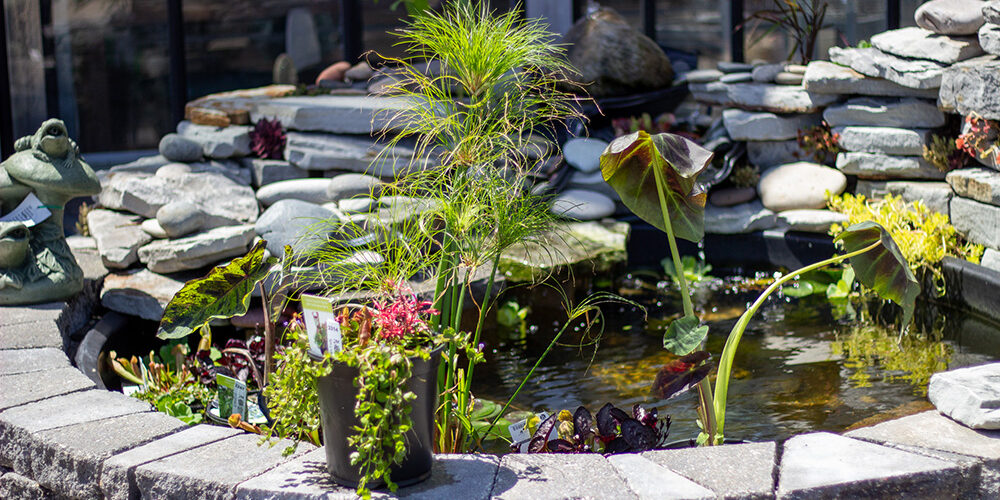
Water gardens add something special to the landscape. They bring movement, color, reflection, and a peaceful feeling unlike any other garden feature. Whether you have a backyard pond, a small patio water garden, or are just starting with a container, aquatic plants help create a beautiful, balanced mini-ecosystem.
For beginners, water gardening may seem a little mysterious at first, but it becomes much easier once you understand the four main types of pond plants: oxygenators, floaters, marginals, and submersibles. Each group has its own job, and together they help make your pond or water garden healthier, prettier, and more enjoyable.
Before You Start
Most water garden plants need at least 6 hours of sun per day, so choose a sunny location when placing your pond, water feature, or container water garden. If you have small children, also think carefully about safety and placement before adding any water feature to your yard or patio.
A healthy pond works like a small ecosystem. Plants help filter the water, shade the surface, add oxygen, and provide habitat. Fish can also be part of that ecosystem by helping control algae and adding nutrients to the water.
If you plan to add fish, always use a chlorine neutralizer before introducing them to the water.
The Four Main Types of Pond Plants
There are four basic types of plants used in water gardens: oxygenators, floaters, marginals, and submersibles. A balanced pond or container water garden usually includes more than one type because each group supports the water garden in a different way.
Oxygenators
Oxygenators usually grow below the surface of the water, although some may peek above the surface as they mature. These plants are the behind-the-scenes helpers of the pond. They provide shade for fish, support natural filtration, and help replace oxygen in the water.
Common oxygenators include Hornwort, Red Rotala, Small Pennywort, Redstem Parrot’s Feather, and Water Wisteria.
Floaters
Floaters are among the easiest pond plants to grow, making them great for beginners. They rest on the surface of the water and help provide shade, cover for fish, natural filtration, and control of algae.
Common floaters include Water Hyacinth and Water Lettuce.
Floaters can grow quickly during the warm season. If they begin to cover too much of the water’s surface, thin them out by removing some of the extra plants. You can share extras with a gardening friend or compost them at the end of the season.
Important reminder: Never release unwanted aquatic plants into natural streams, ponds, lakes, or waterways.
Marginal Pond Plants
Marginals grow along the shallow edges of ponds, streams, water gardens, and aquatic containers. They add color, texture, height, and structure, helping soften the transition between the water and the surrounding landscape.
Marginal plants should usually be placed on ledges, blocks, or shelves so the surface of the pot sits close to the water line. Since water levels can rise and fall slightly, this helps keep the plant in the right growing position.
For a fun effect, marginals can also be planted in a floating island, where they add beauty and interest right on the water’s surface.
Hardy and Tropical Marginal Pond Plants
Hardy marginal pond plants are a great choice if you want plants that can return year after year. The Kansas City area is in USDA Zone 6a, so marginals labeled hardy to Zone 6 or colder may survive winter with proper care.
After the first frost, remove the growth down to the water surface. Many plants hardy to Zones 3 or 4 can often be left in place, while plants hardy to Zones 5 or 6 may do better if they are submerged deeper for winter and returned to their shelves in spring.
Tropical marginal plants bring bold summer color, dramatic foliage, and a lush seasonal look. However, tropical plants labeled hardy to Zone 7 or warmer usually need extra winter care in our region. Many gardeners simply enjoy them as annuals and choose new varieties each spring.
Submersibles
Submersible plants grow beneath the water’s surface and help create the classic pond look many people love. Some are known for their beautiful flowers, while others help make the water garden feel more natural and complete.
Lotus is one of the most stunning blooms in the water garden. The flowers open each morning and close each night, and although each bloom is short-lived, it is beautiful enough to be worth the wait. Lotus flowers are fragrant, attract pollinators, and produce decorative seed pods that can be dried and used in arrangements.
Water Lily is a Missouri native plant with fragrant blooms and floating leaves that spread across the water’s surface. Water lilies help create shade, add beauty, and bring that peaceful pond feeling to the garden.
Pond Soil and Planting Tips
Aquatic plants need the right planting medium. Regular peat or compost-based potting soil is too light and can float away in the water. Instead, use pond potting medium, heavy clay soil, unenriched topsoil, or a similar material that stays in place.
Black plastic grower pots work well because they become nearly invisible once placed underwater. Plants purchased in larger aquatic pots may be able to stay in those containers for a season or two, while smaller plants may need to be repotted.
Before submerging a pot, make sure the soil is soaked and packed firmly. You can also top the pot with pea gravel to help hold everything in place.
Pond Products and Fish Safety
Always use pond products carefully and follow the instructions exactly, especially if you have fish. Using too much of any pond chemical or applying it incorrectly can harm fish and disrupt the balance of the water garden.
It is also important to keep the water circulating while pond products are working. Some gardeners prefer to mix the recommended amount into a bucket of water first, then pour it into the pond in several areas to help it disperse more evenly.
Suburban Recommends
The right products can make pond and water garden care much easier, especially when you are balancing plants, water clarity, mosquitoes, and healthy growing conditions.
For general pond maintenance, shop our Water Feature Chemicals to help care for fountains, ponds, and outdoor water features. Always follow product directions carefully, especially if fish are part of your pond ecosystem.
To help control mosquito larvae in standing water, Mosquito Dunks are a convenient option for ponds, water gardens, and other outdoor water features. For smaller areas or more targeted use, Summit Mosquito Bits can also help manage mosquito larvae before they become biting adults.
When potting or finishing water garden plants, Bagged Decorative Gravel is helpful for topping containers, holding pond soil in place, and giving planted pots a clean, finished look beneath the water.
Our Garden Advisors can help you choose the right products for your pond, patio water bowl, or Pond-in-a-Pot project.
Ask a Garden Advisor
Choosing pond plants can feel overwhelming at first, but you do not have to figure it out alone. Our Garden Advisors can help you choose the right plants, understand the color-coded tags, select products, and decide whether hardy or tropical options are best for your pond or container water garden.
Whether you are creating a backyard pond, refreshing an existing water feature, or starting small with a Pond in a Pot, we can help you build something beautiful, balanced, and fun to enjoy all season long.