NATIVE PLANTS THAT SUPPORT MONARCHS
A beautiful garden can do more than add color to your landscape. It can support pollinators and provide food and habitat for wildlife.
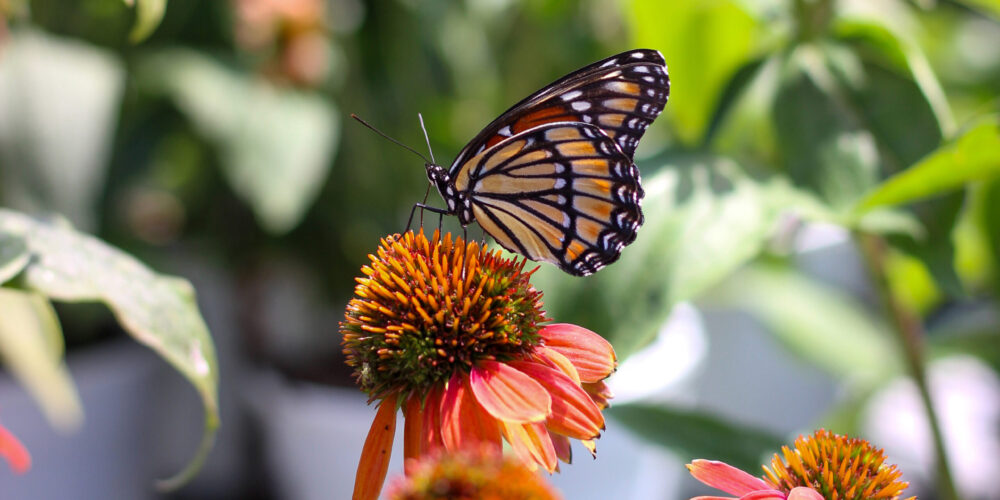
Kansas City is located along an important monarch migration path, which means local gardens can make a real difference. By planting monarch-friendly native plants, gardeners can provide nectar for adult butterflies and essential host plants for monarch caterpillars.
Why Monarchs Need Native Plants
Monarch butterflies feed on nectar from many blooming plants, but their caterpillars depend on milkweed. Milkweed is the only plant monarch caterpillars can eat, making it essential to the monarch life cycle. Other butterflies have important host plants, too, including the native Dutchman’s Pipevine, a favorite of swallowtail caterpillars and a frequent friend of Suburban’s summer garden visitors.
Native plants also support bees, butterflies, moths, hummingbirds, and other beneficial insects. Because they are naturally adapted to our region, many native plants are resilient, beautiful, and valuable additions to Kansas City landscapes.
Suburban Recommends
Suburban recommends starting with plants that provide meaningful support for monarchs and pollinators. Milkweed is especially important because it supports monarch caterpillars, while nectar-rich native perennials help feed adult butterflies and other pollinators throughout the growing season.
Many of the Monarch Mariposa Project plants are smaller quart-sized perennials, making them an easy way to add natives into existing garden beds, pollinator gardens, borders, and sunny landscape areas. For the best results, choose a mix of plants that bloom at different times to provide food from spring through fall.
Planting Tips for Your Purple Pot Native Plants
Give your native plants the best start by planting them in well-drained soil. A simple planting mix of 50% native soil and 50% organic soil conditioner can help create a loose, workable backfill that supports strong root development.
Dig a hole about 1½ to 2 times wider than the root ball, keeping the depth equal to the root ball height. Place the plant so the top of the root ball sits at or slightly above ground level, then backfill and water thoroughly. Apply 2–3 inches of mulch around the plant, keeping mulch a few inches away from the base.
Ask a Suburban Garden Advisor
Not sure where to start? Our Suburban Garden Advisors are here to help. Whether you want to plant for monarch butterflies, add milkweed to your landscape, create a pollinator garden, or choose native plants for sun, shade, or wet areas, our team can help you find the right plants for your space.
Start Small and Plant with Purpose
You do not have to redesign your entire yard to make a difference. A few monarch-friendly native plants can provide food, beauty, and habitat right outside your door.
Native gardening is good for your yard, pollinators, and the ecosystem. By planting with purpose, each garden can become part of something much bigger.