NATIVE PLANTS THAT SUPPORT MONARCHS
A beautiful garden can do more than add color to your landscape. It can support pollinators, provide food and habitat for wildlife, and become part of a larger effort to protect one of nature’s most recognizable butterflies. Suburban Lawn & Garden is proud to partner with the Kansas City Downtown Rotary Club in support of the Monarch Mariposa Project.
The Monarch Mariposa Project helps bring awareness to monarch butterfly conservation and the importance of native habitat. Monarchs are known for their incredible migration, traveling thousands of miles between the United States, Canada, and Mexico. Along the way, they need safe places to rest, refuel, and reproduce.
Kansas City is located along an important monarch migration path, which means local gardens can make a real difference. By planting monarch-friendly native plants, gardeners can provide nectar for adult butterflies and essential host plants for monarch caterpillars.
Why Monarchs Need Native Plants
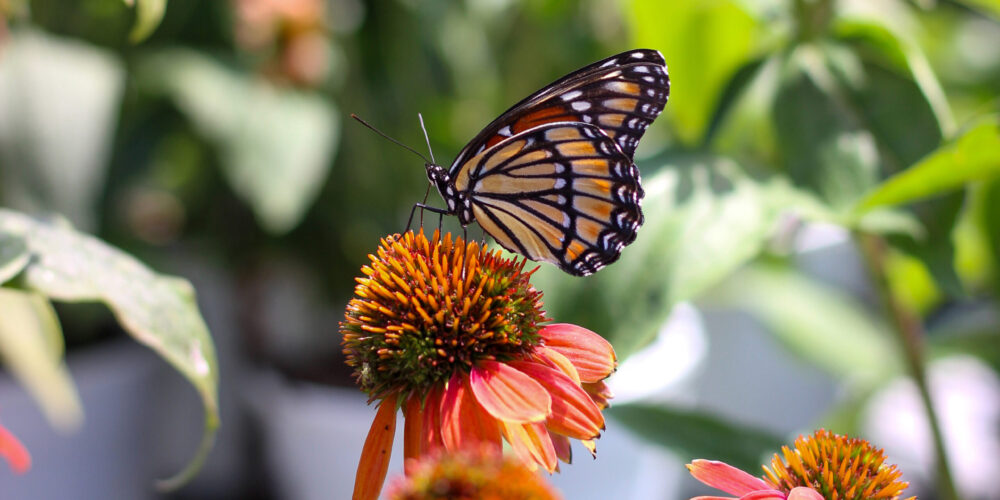
Monarch butterflies feed on nectar from many blooming plants, but their caterpillars depend on milkweed. Milkweed is the only plant monarch caterpillars can eat, making it essential to the monarch life cycle. Other butterflies have important host plants, too, including the native Dutchman’s Pipevine, a favorite of swallowtail caterpillars and a frequent friend of Suburban’s summer garden visitors.
Native plants also support bees, butterflies, moths, hummingbirds, and other beneficial insects. Because they are naturally adapted to our region, many native plants are resilient, beautiful, and valuable additions to Kansas City landscapes.
Why Monarchs Need Native Plants
Monarch butterflies feed on nectar from many blooming plants, but their caterpillars depend on milkweed. Milkweed is the only plant monarch caterpillars can eat, making it essential to the monarch life cycle. Other butterflies have important host plants, too, including the native Dutchman’s Pipevine, a favorite of swallowtail caterpillars and a frequent friend of Suburban’s summer garden visitors.
Native plants also support bees, butterflies, moths, hummingbirds, and other beneficial insects. Because they are naturally adapted to our region, many native plants are resilient, beautiful, and valuable additions to Kansas City landscapes.
Suburban’s Give-Back Through the Monarch Mariposa Project
To help support this important conservation effort, Suburban Lawn & Garden will donate 50% of the proceeds from select native plant purchases to the Monarch Mariposa Project through our partnership with the Kansas City Downtown Rotary Club.
The qualifying plants are specially marked in purple quart-sized pots in the perennial department. Please look for the purple pot when shopping. Only plants in these purple quart-sized pots are included in the Monarch Mariposa Project give-back. Other native plants may still be beneficial to pollinators and the ecosystem, but proceeds from those plants are not included in this specific donation program.
By choosing the plants in purple pots, customers are adding beauty and pollinator value to their gardens while helping support a larger project dedicated to monarch butterfly conservation.
Suburban Recommends
Suburban recommends starting with plants that provide meaningful support for monarchs and pollinators. Milkweed is especially important because it supports monarch caterpillars, while nectar-rich native perennials help feed adult butterflies and other pollinators throughout the growing season.
Many of the Monarch Mariposa Project plants are smaller quart-sized perennials, making them an easy way to add natives into existing garden beds, pollinator gardens, borders, and sunny landscape areas. For the best results, choose a mix of plants that bloom at different times to provide food from spring through fall.
Select Purple Pot Plants That Support the Monarch Mariposa Project
Look for these qualifying native plants in purple quart-sized pots in the perennial department. Purchases of these select purple pot plants help support Suburban’s give-back to the Monarch Mariposa Project.
- Asclepias tuberosa Butterfly Weed
- Asclepias syriaca Common Milkweed
- Asclepias incarnata Swamp Milkweed
- Asclepias verticillata Whorled Milkweed
- Asclepias viridis Green Milkweed
- Baptisia australis Blue False Indigo
- Echinacea pallida Pale Coneflower
- Liatris scariosa Eastern Blazing Star
- Lobelia cardinalis Cardinal Flower
- Monarda fistulosa Bee Balm
- Penstemon digitalis Beardtongue
- Pycnanthemum tenuifolium Mountain Mint
- Solidago speciosa Showy Goldenrod
- Sporobolus heterolepis Prairie Dropseed
- Symphyotrichum oblongifolium Aster
- Vernonia arkansana Curlytop Ironweed
Suburban Recommends: Plant Pairing Ideas
Not sure which purple pot plants to choose? Try grouping a few varieties together for a fuller, more colorful pollinator planting.
For a Monarch-Friendly Garden
- Butterfly Weed
- Common Milkweed
- Swamp Milkweed
- Aster
- Showy Goldenrod
This combination includes important milkweed for monarch caterpillars, along with late-season blooms that help feed adult butterflies during migration.
For Bright Summer Color
- Pale Coneflower
- Bee Balm
- Eastern Blazing Star
- Blue False Indigo
- Beardtongue
These plants create a colorful, natural look with blooms that attract bees, butterflies, and other beneficial pollinators.
For Texture and Movement
- Prairie Dropseed
- Mountain Mint
- Curlytop Ironweed
- Aster
- Showy Goldenrod
This grouping adds soft texture, upright blooms, and late-season interest while supporting pollinators into fall.
For Moist or Rain Garden Areas
- Swamp Milkweed
- Cardinal Flower
- Bee Balm
- Aster
- Prairie Dropseed
These plants are good options for areas that stay a little more moist, while still adding color and pollinator value.
For a Smaller Starter Planting
- Butterfly Weed
- Bee Balm
- Pale Coneflower
- Prairie Dropseed
- Aster
This is a simple mix for gardeners who want to start small but still provide nectar, texture, and seasonal interest.
Planting Tips for Your Purple Pot Native Plants
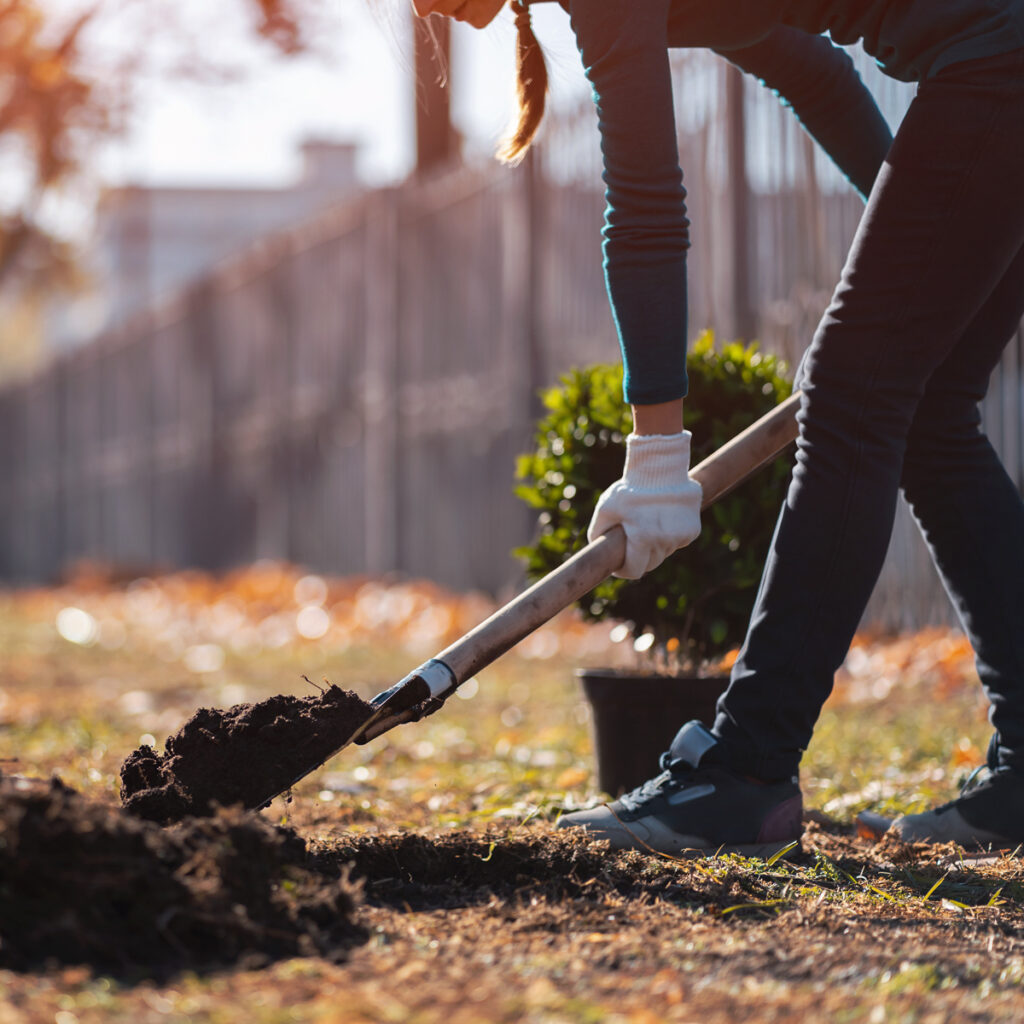
Give your native plants the best start by planting them in well-drained soil. A simple planting mix of 50% native soil and 50% organic soil conditioner can help create a loose, workable backfill that supports strong root development.
Dig a hole about 1½ to 2 times wider than the root ball, keeping the depth equal to the root ball height. Place the plant so the top of the root ball sits at or slightly above ground level, then backfill and water thoroughly. Apply 2–3 inches of mulch around the plant, keeping mulch a few inches away from the base.
Ask a Suburban Garden Advisor
Not sure where to start? Our Suburban Garden Advisors are here to help. Whether you want to plant for monarch butterflies, add milkweed to your landscape, create a pollinator garden, or choose native plants for sun, shade, or wet areas, our team can help you find the right plants for your space.
Look for the purple quart-sized pots in the perennial department or ask a Garden Advisor to point you toward the plants that are part of the Monarch Mariposa Project give-back. To qualify for the give-back, the plant must be one of the select native plants in a purple quart-sized pot.
Start Small and Plant with Purpose
You do not have to redesign your entire yard to make a difference. A few monarch-friendly native plants can provide food, beauty, and habitat right outside your door.
When you purchase select native plants in purple quart-sized pots from Suburban Lawn & Garden, 50% of the proceeds will be donated to the Monarch Mariposa Project through our partnership with the Kansas City Downtown Rotary Club.
Native gardening is good for your yard, pollinators, and the ecosystem. By planting with purpose, each garden can become part of something much bigger.
More Content