TIRED SUMMER VEGETABLE GARDEN–WHEN TO PLANT FOR FALL?
By August, even the happiest summer vegetable garden can begin to look a little tired.
The tomato plants may be slowing down. The cucumbers may be fading. The squash vines may have given you just about everything they had to give.
It can feel like the gardening season is coming to an end, but there is still plenty of time to grow something new.
In the Kansas City area, late July through August is a wonderful time to refresh your garden and begin planting vegetables for fall. Cooler days are on the way, and many vegetables actually prefer the milder temperatures that come with the changing season.
Your Fall Garden Starts While Summer Is Still Here
One of the surprising things about fall gardening is that you often have to begin while it still feels very much like summer.
The first part of August is a good time to clear out vegetables that have finished producing and make room for the next season. Longer-growing fall crops need to be planted first so they have enough time to mature before colder weather arrives.
Carrots, beets, bush beans, spinach and longer-season lettuce varieties can be planted in late July or early August. Broccoli, cabbage and cauliflower plants can usually go into the garden around the second week of August.
Later in the month, you can begin planting faster-growing favorites such as radishes, leaf lettuce, turnips, mustard greens and additional spinach.
You do not have to plant everything in one afternoon. Planting a few rows at a time can make the process easier and help spread out your harvest.
Start by Making a Little Room
You do not need to pull out your entire summer garden.
If a tomato plant is still producing or your peppers are still going strong, let them stay. Simply begin clearing the plants that are truly finished.
Remove tired vines, weeds, fallen fruit and anything showing signs of disease. This opens the garden, improves air circulation and gives your new vegetables room to grow.
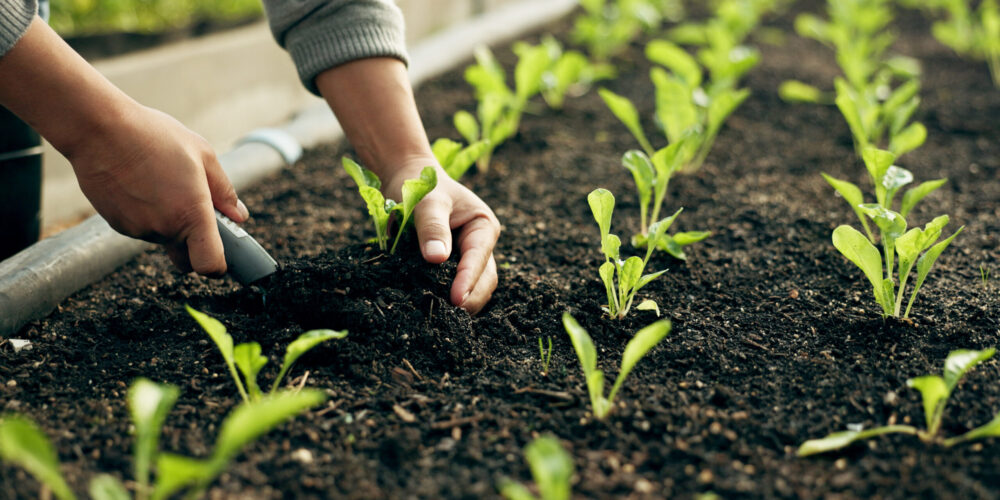
Once the space is cleared, loosen the soil and mix in compost or another appropriate soil amendment. Summer vegetables can use a lot of nutrients, so refreshing the soil helps give fall seeds and young plants a stronger start.
Think of it as giving your garden a second wind.
What Grows Well in a Kansas City Fall Garden?
Some vegetables were simply made for cool weather.
Leaf lettuce, spinach, kale, radishes, carrots, beets and turnips are all wonderful choices for a fall garden. Broccoli, cabbage and cauliflower also grow well when they are planted early enough to become established before temperatures drop.
Many of these vegetables taste even better after the weather cools. Carrots, kale and other cool-season crops may become a little sweeter after experiencing chilly temperatures.
A fall garden does not have to be large. A small patch of lettuce, a row of radishes or a container filled with spinach can still provide something fresh to enjoy.
Plant the Slow Growers First
When deciding what to plant first, look at how long each vegetable needs to mature.
Carrots, beets, broccoli, cabbage and cauliflower need more time, so they should be planted earlier in the season. Quick-growing vegetables such as radishes and leaf lettuce can be planted later.
Check the seed packet or plant tag for the number of days to maturity. This will give you a general idea of how long the vegetable needs before harvest.
As the days become shorter, vegetables may grow a little more slowly than they would in spring. Choosing faster-maturing varieties can give later plantings a better chance of finishing before colder weather arrives.
Do Not Let the August Heat Fool You
Fall vegetables may love cool weather, but they often have to begin growing during the heat of August.
New seeds need steady moisture to germinate. Check the soil regularly and water gently whenever the surface begins to dry. A watering wand, watering can or soft spray from the hose can help keep seeds in place.
The soil should stay moist but not soggy.
A light covering of compost can help hold moisture and prevent the soil surface from becoming hard. Once seedlings are growing, a little mulch around them can help protect the roots and keep moisture in the soil.
Broccoli, cabbage and cauliflower plants may also appreciate a little afternoon protection during their first few days. Planting in the evening or on a cloudy day can help reduce stress.
Plant a Little Now and a Little Later
There is no rule saying your entire fall garden has to be planted at once.
Planting smaller amounts every week or two is a simple way to enjoy a longer harvest. Instead of having every radish or head of lettuce ready on the same day, you can have fresh vegetables becoming available over several weeks.
This works especially well with lettuce, radishes, spinach and other quick-growing greens.
It also makes fall gardening feel more relaxed. You can begin with one or two vegetables, see how they grow and add more as space becomes available.
Keep Growing When the Nights Turn Chilly
Many fall vegetables can handle cool weather, but a little protection may help extend the harvest.
Lightweight row covers or frost cloth can protect young vegetables from insects early in the season and provide some warmth when colder nights arrive.
Old sheets can also help during a light frost. Cover the plants before temperatures drop in the evening and remove the covering the following morning.
Avoid placing plastic directly against the leaves. Plant material touching the plastic can still be damaged by the cold.
Lettuce, kale, spinach and radishes can also be grown in containers. Containers are easy to place near the house or move to a more protected spot when the weather changes.
Suburban Recommends
There are two easy ways to begin your fall garden: sow seeds directly into the garden or get a head start with young vegetable plants.
Seeds are a great choice for carrots, beets, radishes, lettuce, spinach, turnips and other vegetables that prefer to be planted directly in the soil. You can Shop Our Vegetable Seeds Online and choose varieties that fit your garden and fall planting schedule.
New to growing vegetables from seed or need a quick refresher? Check out our article, How to Sow Seeds, for simple tips to help you get started.
Fall vegetable plants will also be arriving at our garden centers toward the end of August. These plants are especially helpful for crops such as broccoli, cabbage and cauliflower because they already have a head start on the growing season.
Fall plant selection and arrival times may vary by location, and live plants will not be available to purchase online. Stop by your neighborhood Suburban Lawn & Garden to see what has arrived and find healthy plants for your fall garden.
Before planting, take a little time to refresh the garden soil. After supporting summer vegetables, the soil may benefit from compost or another appropriate soil amendment. Loosen the planting area, mix in the amendment and water the soil before adding seeds or plants.
You may also want to have mulch, garden gloves and a gentle watering wand or watering can nearby. Mulch helps hold moisture in the soil, while gentle watering protects newly planted seeds and tender young plants.
Start with vegetables your family enjoys and a planting area that feels manageable. Even a small fall garden can provide fresh greens, root vegetables and plenty of reasons to keep growing.
Your Summer Garden May Be Tired, but the Season Is Not Over
When your summer vegetables begin winding down, you do not have to close the garden gate just yet.
Clear a little space, refresh the soil and begin with the vegetables that need the most time. Plant seeds for quick-growing greens and root vegetables, or visit your neighborhood Suburban Lawn & Garden as fall vegetable plants begin arriving in stores.
With good timing, regular watering and a little protection from chilly nights, your garden can continue providing fresh vegetables well into fall.
Shop vegetable seeds online, then visit us in store for fall vegetable plants, soil amendments and friendly advice to help your garden keep growing.
Come Grow with Us.
Planting times are based in part on seasonal fall vegetable gardening guidance from K-State Research and Extension. Timing may vary depending on weather conditions, vegetable variety and your specific growing location.