DEER & RABBIT RESISTANT TREES
Deer and rabbits can cause significant damage to trees, especially when bark, buds, and young growth are within reach. Selecting deer and rabbit-resistant trees helps protect your investment while building a strong, lasting landscape. Many trees naturally deter browsing due to bark texture, foliage characteristics, or scent, making them better suited for Kansas City landscapes.
Suburban’s Top Deer & Rabbit Resistant Tree Picks
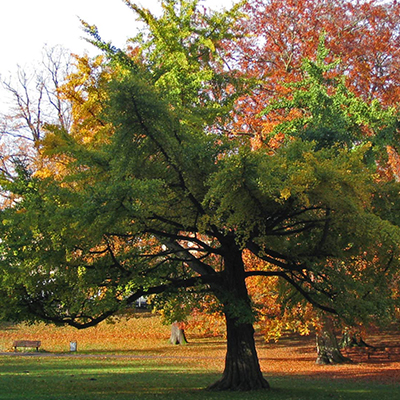
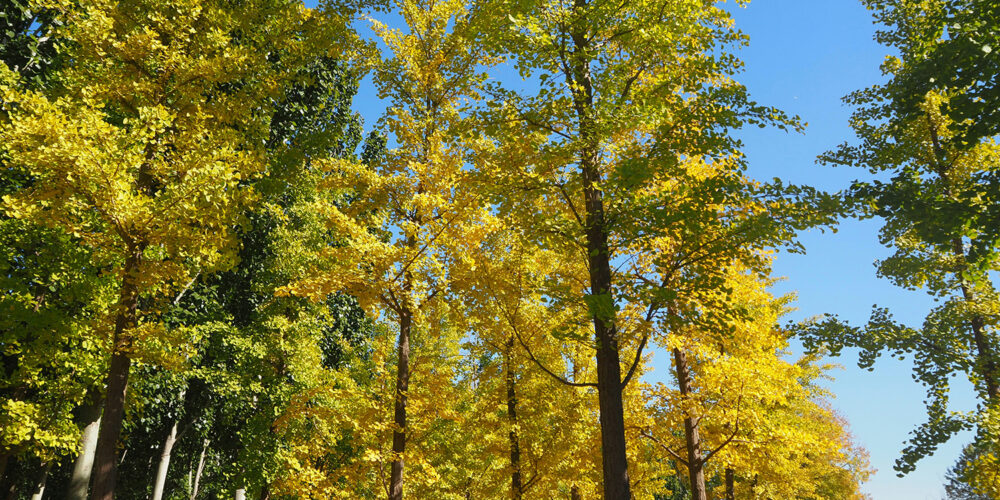
Ginkgo (Magyar Ginkgo)
Ginkgo trees are incredibly durable and low-maintenance, with unique fan-shaped leaves that turn brilliant yellow in fall. Their foliage is rarely browsed by deer or rabbits, making them a standout choice for urban and suburban landscapes.
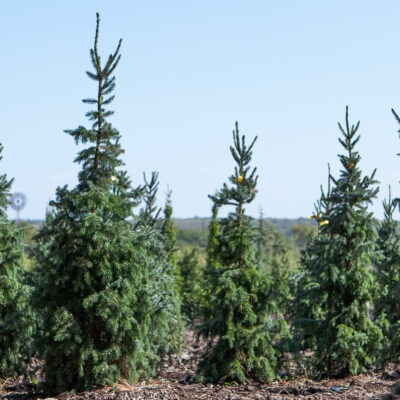
Spruce (Riverside Serbian Spruce)
With dense needles and a classic evergreen form, Spruce trees provide year-round structure and privacy. Their sharp texture helps deter rabbits and makes them less appealing to deer.
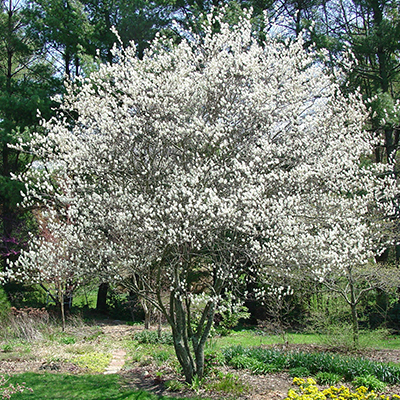
Serviceberry (Autumn Brilliance Serviceberry Tree)
A multi-season favorite, Serviceberry offers spring blooms, summer berries, and vibrant fall color. Deer tend to avoid it, and it fits beautifully into both naturalized and residential landscapes.
What Does Deer & Rabbit Resistant Mean?
Deer and rabbit resistant trees are those that animals tend to avoid because of bark texture, foliage type, or natural compounds that make them less desirable. However, no tree is completely immune. In times of limited food availability, deer and rabbits may still browse bark or lower branches.
Young trees are especially vulnerable, as tender bark and new growth are easy targets. Protecting trees early with repellents or physical barriers can significantly improve long-term success.
Deer & Rabbit Resistant Trees
R = Rabbit Resistant | D = Deer Resistant
Shade & Canopy Trees
Ash (D)
Birch (D)
Ginkgo (R, D)
Honeylocust (D)
Red Maple (D)
Oak (D)
Sweetgum (R)
Ornamental & Flowering Trees
Chokeberry (D)
Fringetree (D)
Golden Rain Tree (D)
Magnolia (D)*
Serviceberry (D)
*Young buds may occasionally be browsed
Evergreen & Screening Trees
Pine (R)
Spruce (R)
Dawn Redwood (D)
Unique & Specialty Trees
Corkscrew Willow (R)
Tips for Protecting Your Trees
Even deer and rabbit-resistant trees need protection when young. Regularly applying animal repellents can help deter browsing, especially during fall and winter when food sources are limited. Tree guards or wraps can also protect bark from rabbits and deer rubbing.
Planting trees in more visible or active areas of your landscape can naturally discourage wildlife from approaching. As trees mature, they typically become less vulnerable to damage.
Suburban Recommends
For the best results, combine deer and rabbit-resistant trees with additional protection methods to support healthy growth and reduce browsing pressure.
- Animal repellents for deer and rabbits
- Soil amendments to support strong, healthy growth
- Mulch to retain moisture and reduce plant stress
- Fertilizers to support strong root development
- Landscape planning that reduces easy access for wildlife
Frequently Asked Questions
Are young trees more at risk from deer and rabbits?
Yes, young trees are especially vulnerable because their bark and new growth are tender and easy to reach.
Will deer damage tree bark?
Yes, deer may rub their antlers on tree trunks, especially in the fall, which can cause significant damage.
Do I need to protect trees year-round?
Protection is most important in fall and winter, but newly planted trees benefit from consistent care throughout the year.