
A BEGINNERS GUIDE TO HEALTHY SOIL
Learn how to amend clay soil in Kansas City with simple, step-by-step tips to improve drainage, boost plant health, and grow stronger gardens.
It All Starts with the Soil
If you’ve ever planted something with high hopes—only to watch it struggle, stall, or never quite thrive—you’re not alone. Many Kansas City gardeners run into the same issue, and often, the problem isn’t the plant. It’s the soil.
In our area, clay soil is very common. While it can retain nutrients well, it also poses challenges for drainage, compaction, and root growth. The good news is that with a few simple steps, you can completely transform your soil and set your plants up for long-term success.
If you’re not quite sure what your soil needs, our Garden Advisors are always here to help guide you in the right direction.
Understanding Kansas City Soil (Clay vs. Healthy Soil)
What Is Clay Soil?
Clay soil is made up of very fine particles that pack tightly together. Around Kansas City, this often means soil that stays wet longer after rain, feels heavy when you dig, and can harden during dry periods.
Because of this dense structure, roots can struggle to move through the soil and access the oxygen they need, which can limit plant growth and overall health.
What Healthy Soil Looks Like
Healthy soil feels completely different. It’s loose, crumbly, and easy to work with—allowing water to move through while still holding enough moisture for plants to thrive.
When your soil reaches this balance, plants establish more quickly, grow more vigorously, and require less maintenance throughout the season. It becomes easier to plant, easier to water, and more rewarding overall.
How to Tell If Your Soil Needs Improvement
Your garden will usually give you clear signs when soil needs attention. If water tends to pool after a rain, if the ground feels hard when you dig, or if plants don’t seem to grow as expected, your soil may be compacted or lacking organic matter.
You might also notice roots staying near the surface instead of spreading deeper, or soil that cracks during dry spells. These are all indicators that your soil would benefit from amendment.
If you’re unsure what your soil needs, you’re not alone—every yard can be a little different. From heavy clay to areas with poor drainage, it’s not always obvious what the right solution is.
Our Garden Advisors are here to help. They can walk you through what to look for, recommend the right products, and help you create a plan that works for your specific space.
What Does “Amending Soil” Mean?
Amending soil simply means improving what you already have. By mixing in organic materials like compost or soil conditioner, you can change the structure of your soil—making it easier for roots to grow, water to drain properly, and nutrients to become more available.
It’s one of the simplest and most impactful ways to improve the health of your entire garden.
Step-by-Step: How to Amend Soil
Step 1 – Start with the Right Materials
The most effective way to improve clay soil is by adding organic matter. Compost and soil conditioners help loosen dense soil, improve drainage, and create the space roots need to grow. Over time, they also enrich the soil with nutrients that support healthier plants.
Recommended Products:
Summer Field Farms Compost
Summer Field Farms Organic Soil Conditioner
Step 2 – Loosen the Existing Soil
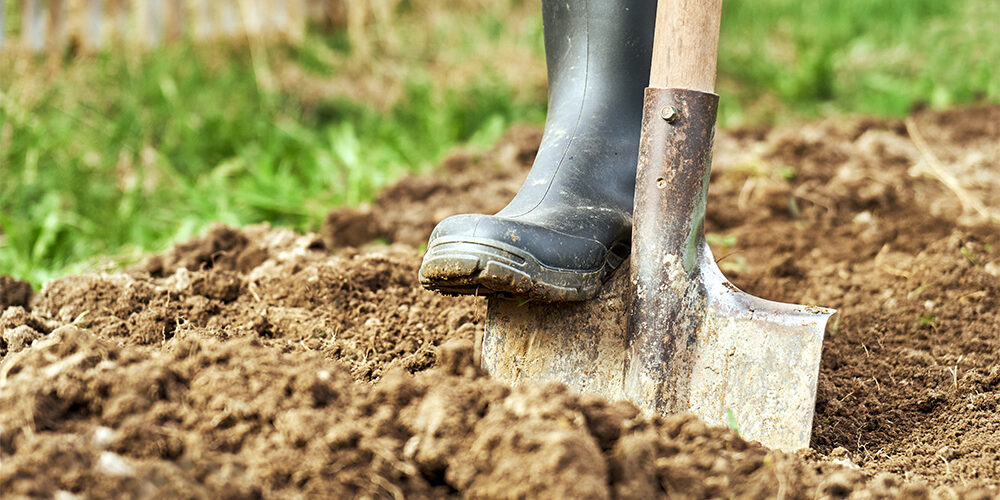
Before adding anything, take time to loosen the soil you already have. Digging down 8–12 inches and breaking up compacted clumps allows your amendments to mix in properly and gives roots a path to grow deeper.
This step is simple but makes a big difference in how well your plants establish.
Step 3 – Add Organic Matter
Spread a generous layer of compost or soil conditioner across the area you’re preparing. For clay soil, this step is key—it’s what begins to change the structure and improve how the soil handles water and nutrients.
Think of this as building the foundation your plants will rely on.
Step 4 – Mix It In
Work the organic matter into the soil evenly, focusing on the top layer where roots will grow. A well-mixed soil prevents water from getting trapped and ensures nutrients are available throughout the planting area.
When done correctly, the soil should feel noticeably lighter and easier to work with.
Step 5 – Water and Let It Settle
After mixing, water the area thoroughly. This helps settle the soil and begins activating the organic matter you’ve added. Allowing the soil to rest for a few days before planting creates a more stable environment for roots to establish.
When Should You Amend Soil?
You can improve your soil at almost any time, but spring and fall are ideal. Spring prepares your garden for new growth, while fall allows organic matter to break down and improve soil structure over time.
One important tip—avoid working with soil when it’s too wet. This can lead to more compaction and undo the progress you’re trying to make.
Building Better Soil Over Time
Healthy soil isn’t created overnight—it improves gradually with consistent care. Adding compost or organic matter each year continues to enhance structure, drainage, and nutrient availability.
Over time, you’ll notice that planting becomes easier, watering becomes more effective, and your plants become more resilient. It’s one of the best long-term investments you can make in your garden.
Common Mistakes to Avoid
One common mistake is adding sand to clay soil to improve drainage. Unfortunately, this can make the soil denser and harder over time.
Another is only amending the planting hole rather than the entire area. This can limit root growth and prevent plants from fully establishing.
Focusing on consistent improvement across your entire planting space will always lead to better results.
Connecting This Back to Your Garden
If you’ve struggled with plants not thriving—especially roses, hydrangeas, or perennials—your soil is often the reason.
Improving your soil doesn’t just benefit one plant—it improves everything you grow. Stronger roots, better drainage, and balanced nutrients all lead to healthier, more successful gardens.
If you’re planting roses, be sure to also read:
How to Plant and Water Roses in Kansas City
Suburban Recommends
Starting with quality products makes soil improvement easier and more effective. Compost and soil conditioners help break up clay and create a healthier environment for roots, while organic fertilizers support long-term plant growth.
Need Help Getting Started?
Not sure where to start? You don’t have to figure it out alone.
Our Garden Advisors are here to help you every step of the way—from understanding your soil to choosing the right products and plants. Whether you’re starting a new garden or improving an existing one, we’ll help you build a plan for success.
Visit us at one of our Suburban Lawn & Garden locations in Martin City, Lenexa, or Roe, or connect with us online.
Final Thoughts
If there’s one thing that can transform your garden, it’s your soil. Taking the time to improve it now will pay off in healthier plants, better blooms, and a more enjoyable gardening experience season after season.
Start with your soil—and everything else will grow better.
Come Grow with Us!