DEER & RABBIT RESISTANT PLANTS
Deer and rabbits are a common challenge in Kansas City gardens, especially when new growth is tender and most appealing. While no plant is completely safe, many deer and rabbit-resistant plants naturally deter browsing due to their scent, texture, or taste. By choosing the right plants and combining them with a few smart strategies, you can enjoy a beautiful garden with far less damage.
Suburban’s Top Deer & Rabbit Resistant Picks
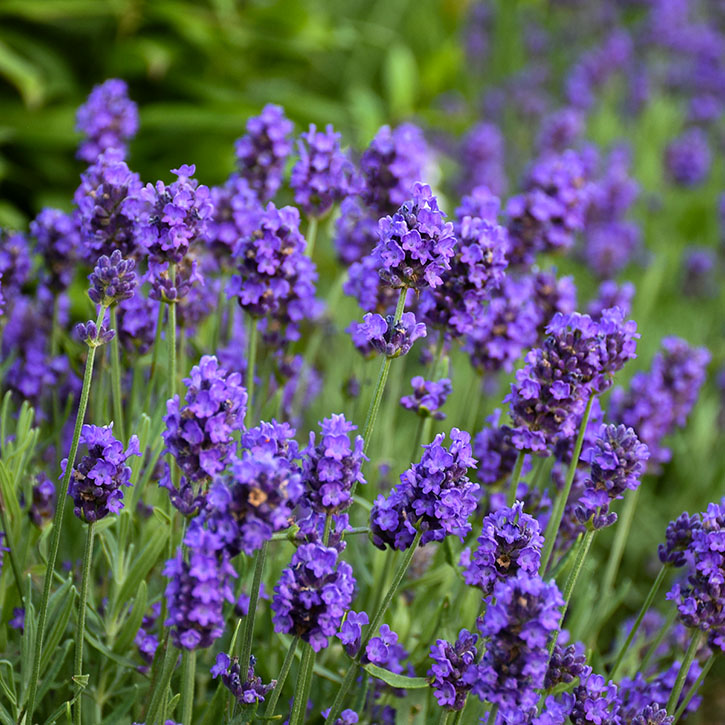
Lavender (recommended Sweet Romance English Lavender)
Fragrant foliage and soft purple blooms make Lavender both beautiful and practical. Its strong scent naturally deters deer and rabbits while thriving in sunny Kansas City gardens.
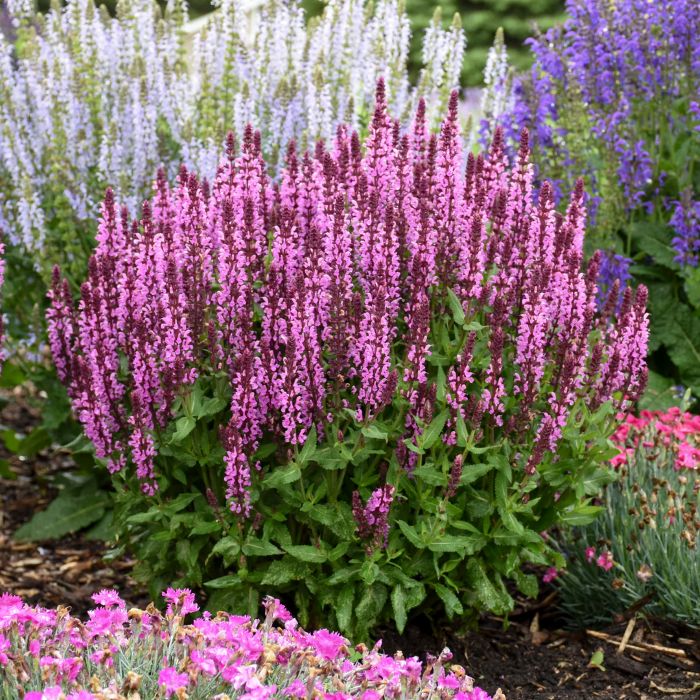
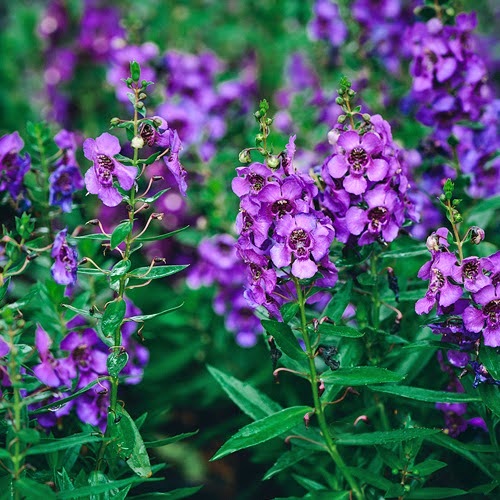
Salvia (recommended Pink Profusion Salvia)
With vibrant spikes of color and a long bloom season, Salvia adds bold color to garden beds and containers. Deer tend to avoid its aromatic foliage, making it a reliable choice for sunny spaces.
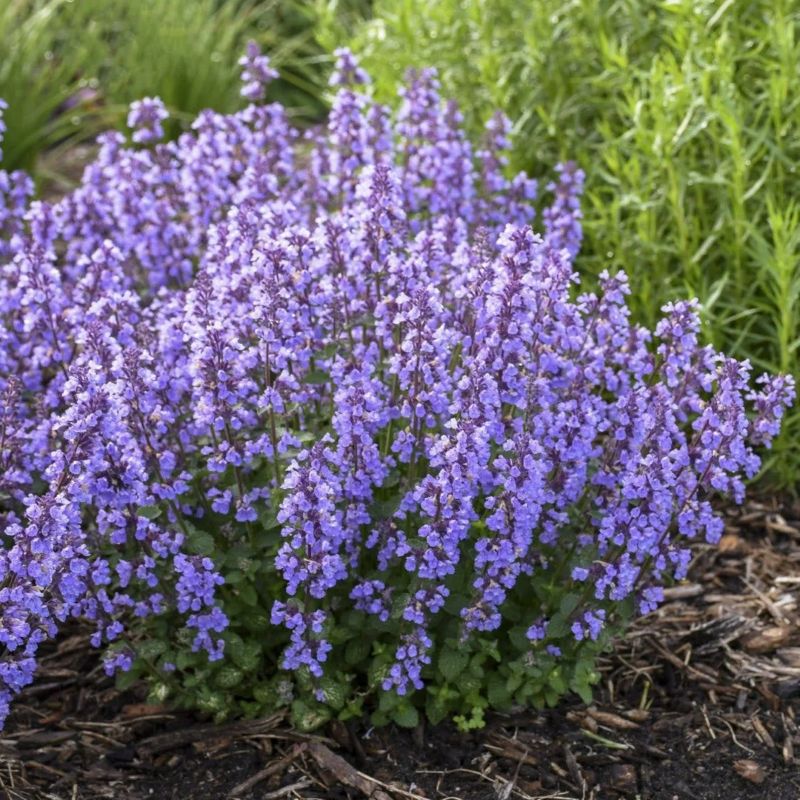
Nepeta (Catmint) (recommended Cat's Meow Nepeta)
Soft, billowy blooms and silvery foliage give Nepeta a relaxed, cottage garden feel. Its scent and texture help discourage browsing while holding up well in summer heat.
What Does Deer & Rabbit Resistant Mean?
Deer and rabbit-resistant plants are those that animals tend to avoid due to scent, taste, fuzzy or coarse textures, or mild toxicity. However, it’s important to remember that no plant is completely protected. During periods of drought or food scarcity, deer and rabbits may still sample plants they would normally ignore.
New plantings and fresh growth are the most vulnerable, so layering plant selection with repellents or protective methods can make a big difference.
Deer & Rabbit Resistant Plants
R = Rabbit Resistant | D = Deer Resistant
Groundcovers
Ajuga (R, D)
Climbing Hydrangea (D)
English Ivy (R)
Hardy Plumbago (R)
Lamium (R)
Liriope (D)
Pachysandra (R)
Sedum (R)
Sweet Woodruff (R)
Annuals
Ageratum (R)
Begonia (R)
Bougainvillea (R)
Dianthus (D)
Heliotrope (R)
Most Herbs (D)
Lantana (D)
Hollyhock (R)
Impatiens (R)
Lobelia (R)
Marigold (D)
Salvia (D)
Verbena (D)
Vinca (R)
Zinnia (D)
Perennials & Vines
Achillea (D)
Acorus (D)
Agastache (D)
Allium (R, D)
Amsonia (D)
Anemone (D)
Aralia (D)
Artemisia (R, D)
Asclepias (D)
Aster (D)
Baptisia (D)
Bergenia (R)
Brunnera (R)
Calamint (D)
Campanula (D)
Candy Tuft (Iberis) (R)
Carex (Sedge) (D)
Centaurea (D)
Clematis (D)
Columbine (R)
Coreopsis (D)
Daylily (R)
Delphinium (R)
Dianthus (D)
Dicentra (D)
Echinacea (D)
Epimedium (R)
Euphorbia (R, D)
Ferns (D)
Foxglove (R, D)
Gaillardia (D)
Geranium (R)
Goat’s Beard (D)
Helenium (D)
Helleborus (R, D)
Hen & Chicks (R)
Hibiscus (R, D)
Hosta* (R)
Hyacinth (R, D)
Iris (R, D)
Kniphofia (R, D)
Lady’s Mantle (R)
Lavender (R, D)
Liatris (D)
Ligularia (D)
Lily-of-the-Valley (R, D)
Lobelia (R, D)
Lysimachia (R, D)
Monarda (D)
Monkshood (R, D)
Nepeta (R, D)
Ornamental Oregano (D)
Penstemon (R)
Peony (R)
Platycodon (R)
Plumbago (R)
Polemonium (D)
Poppy (R)
Primrose (R)
Pulmonaria (R)
Perovskia (D)
Salvia / Sage (D)
Scabiosa (R)
Sedum (R)
Shasta Daisy (R)
Silene (R)
Snow-on-the-Mountain (R, D)
Soapwort (R)
Stachys (R)
Stoke’s Aster (D)
Tiarella (R)
Thyme (D)
Vernonia (D)
Wisteria (D)
Yucca (R, D)
Ornamental Grasses
Bamboo (D)
Blue Fescue (D)
Feather Reed Grass (D)
Fountain Grass (D)
Japanese Silver Grass (D)
Northern Sea Oats (D)
Pampas Grass (D)
Switch Grass (D)
Tips for Protecting Your Garden
Even with deer and rabbit-resistant plants, a few extra steps can help protect your investment. Apply animal repellents regularly, especially during early growth stages and after heavy rain. Consider planting more vulnerable varieties closer to your home, where activity naturally discourages wildlife.
Mixing resistant plants throughout your garden, rather than grouping them in one area, can also help reduce browsing over time.
Suburban Recommends
For the best results, combine deer and rabbit-resistant plants with additional protection methods to create a layered defense for your garden.
- Animal repellents for deer and rabbits
- Soil amendments to support strong, healthy growth
- Mulch to help retain moisture and reduce plant stress
- Fertilizers to support strong root development
Garden layout strategies that help discourage animal traffic
Visit Suburban Lawn & Garden
Explore a wide selection of deer and rabbit resistant plants, shrubs, and trees at our Suburban Lawn & Garden – Martin City, Suburban Lawn & Garden – Lenexa, and Suburban Lawn & Garden – Roe locations. Our Garden Advisors are always available in-store or online to help you choose the right plants and create a landscape that thrives.
Frequently Asked Questions
How often should deer and rabbit repellent be applied?
Most repellents should be reapplied every few weeks and after heavy rain or watering to maintain effectiveness.
Do deer and rabbit-resistant plants really work?
Yes, these plants are less appealing to animals, but no plant is completely immune. Consistent use of repellents and good garden planning improves results.
Can I use these plants in containers?
Absolutely. Many deer and rabbit-resistant plants perform well in containers, especially on patios and porches where animals are less likely to venture.