
SHADE-LOVING PLANTS MADE EASY
Looking for the best plants for shade? This list is a great place to start, but it’s only the beginning. Every shade garden is unique, shaped by light levels, soil conditions, and nearby trees. To discover an even wider variety of shade-loving plants—and to find the best options for your space—we invite you to visit one of our Suburban Lawn & Garden locations. One of our knowledgeable Garden Advisors will be happy to help you build a shade garden that thrives.
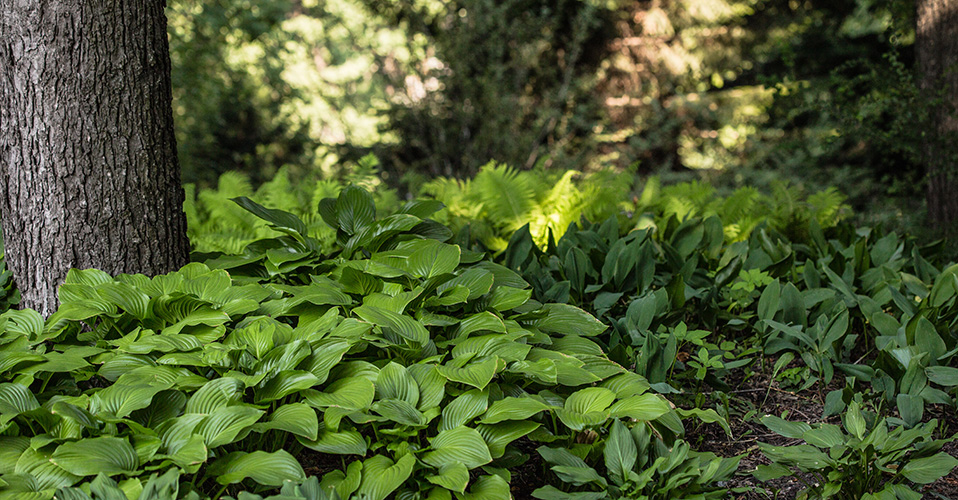
Shade trees create cool, inviting spaces during the heat of summer. However, their dense canopies also limit sunlight. While grass and many sun-loving flowers struggle in these conditions, shade does not mean your garden has to feel empty or dull. With the right plant choices, shade gardens can be full, layered, and visually interesting.
Most shade plants perform best in filtered or dappled light, such as morning sun with afternoon shade. Some plants tolerate dense shade, although flowering may be lighter. Instead of focusing only on blooms, successful shade gardens rely on foliage color, texture, and form.
Annuals That Thrive in Shade
Shade-loving annuals are perfect for containers, hanging baskets, and seasonal color in low-light areas. While many bloom best with some morning sun, their foliage and long-lasting performance make them dependable even in shadier spots.
Consider these annuals for shaded patios, porches, and garden beds:
Begonia, Novelty
Begonia, Traditional Bedding
Begonia, Tuberous
Browallia
Caladium
Coleus, Shade Varieties
Fern, Boston
Fern, Kimberly Queen (can also take sun)
Fuchsia
Hypoestes (Polka Dot Plant)
Impatiens, New Guinea
Impatiens, Traditional Bedding
Purple Spiderwort (Tradescantia zebrina)
Streptocarpus (Streptocarpella)
Torenia (Wishbone Flower)
Design tip: Combine bold foliage plants like caladium or coleus with fine-textured ferns to create contrast, even when flowers are minimal.
Ground Covers for Shaded Areas
Ground covers play an important role in shade gardens where turf grass often fails. They help reduce weeds, retain moisture, and create a finished look beneath trees and shrubs. Many also spread gradually, filling in bare areas over time.
Good ground cover options for shade include:
Aegopodium (Snow-on-the-Mountain)*
Ajuga (Bugleweed)
Boston Ivy
Convallaria (Lily of the Valley)*
English Ivy
Galium (Sweet Woodruff)*
Lamium (Deadnettle)*
Liriope
Lysimachia (Creeping Jenny)
Pachysandra*
Vinca minor (Myrtle)*
Plants marked with an asterisk tolerate dense shade
Perennials That Bring Lasting Beauty to Shade Gardens
Perennials provide structure and consistency in shade gardens, returning year after year with dependable foliage and seasonal interest. While blooms may be more subtle, leaf shape, color, and texture create lasting visual appeal.
Reliable shade perennials include:
Acorus (Sweet Flag Grass)*
Aruncus
Astilbe*
Bergenia*
Brunnera*
Carex (Sedge)
Dicentra (Bleeding Heart)*
Epimedium (Barrenwort)*
Helleborus*
Heuchera (Coral Bells)
Heucherella (Foamy Bells)
Hosta*
Ligularia*
Perennial Ferns*
Polemonium (Jacob’s Ladder)*
Polygonatum (Solomon’s Seal)*
Pulmonaria (Lungwort)*
Tiarella (Foamflower)
Tradescantia (Spiderwort)
Tricyrtis (Toad Lily)*
Plants marked with an asterisk tolerate dense shade
Shrubs for Shade and Filtered Light
Shrubs add height, structure, and seasonal interest to shaded landscapes. Many prefer filtered light and may grow more slowly in dense shade, often resulting in a naturally refined form.
Shade-tolerant shrub options include:
Azalea
Boxwood
Dogwood (select varieties)
Fothergilla
Hamamelis (Witch Hazel)
Holly (select varieties)
Hydrangea (needs some sun to bloom)
Itea (Sweetspire)*
Japanese Maple
Kerria japonica*
Nandina*
Pieris japonica*
Rhododendron
Serviceberry
Viburnum (some varieties)
Wintergreen (Gaultheria)*
Yew*
Plants marked with an asterisk tolerate dense shade
Suburban Recommends: Products That Support Shade Gardens
Healthy soil is essential in shaded areas where tree roots compete for moisture and nutrients, which is why starting with quality shade-friendly soil and amendments helps improve soil structure, retain moisture, and support strong root development.
Mulching shaded beds helps regulate soil temperature, conserve moisture, and suppress weeds, making mulch an important finishing layer that also enhances the natural woodland look of shade gardens.
Containers are ideal for shade plants on patios, porches, and beneath trees, and choosing the right containers with proper drainage helps keep roots healthy in lower-light conditions.
Shade plants benefit from balanced nutrients that support foliage growth without encouraging excessive flowering, which makes selecting the right fertilizers an important step in maintaining steady, healthy growth throughout the season.
Planting and maintaining shaded spaces is easier with the right equipment, and having quality garden tools helps ensure efficient planting, clean cuts, and long-term plant health.
Designing a Successful Shade Garden
Shade gardens succeed when expectations shift from flowers to foliage. While blooms may be smaller or less frequent, shade-loving plants offer rich textures, layered greens, and subtle color that lasts all season.
To explore more shade-loving plants and get personalized advice, visit one of our Suburban Lawn & Garden locations. Our Garden Advisors are always happy to help you choose plants and products that fit your space and growing conditions.
Let’s Grow Together.