CHOOSING THE RIGHT START FOR EVERY SEED
By Kim Dyer | March 10, 2026
Starting seeds can be one of the most rewarding parts of gardening, but it can also feel confusing if you are unsure where to begin. Some plants grow best when started indoors, while others perform better when planted directly into the soil. Understanding the difference will help you grow stronger plants and enjoy a more successful garden.
If you are getting started this season, explore our selection of seed starting supplies at Suburban Lawn & Garden to find everything you need for a successful garden.
Understanding the Two Types of Seed Planting
Most seeds fall into two basic planting categories. Some seeds should be started indoors because they require a longer growing period than our local season provides. Others are best direct sown into the garden once soil conditions are right.
Garden centers often sell young vegetable plants in the spring, which can sometimes add to the confusion. These starter plants are helpful for gardeners who prefer not to start seeds themselves or who only want to grow a small number of plants.
For gardeners who enjoy starting seeds, a little planning and organization can make the process very successful.
Your Seed Packet Is the Best Guide
The seed packet is the most valuable source of information when starting seeds. It will tell you whether seeds should be started indoors or planted directly outside, how many weeks before the last frost to begin planting indoors, and how deep the seeds should be planted.
Many gardeners also find helpful planting charts online that provide guidance for timing based on our regional growing conditions.
Seeds That Should Be Started Indoors
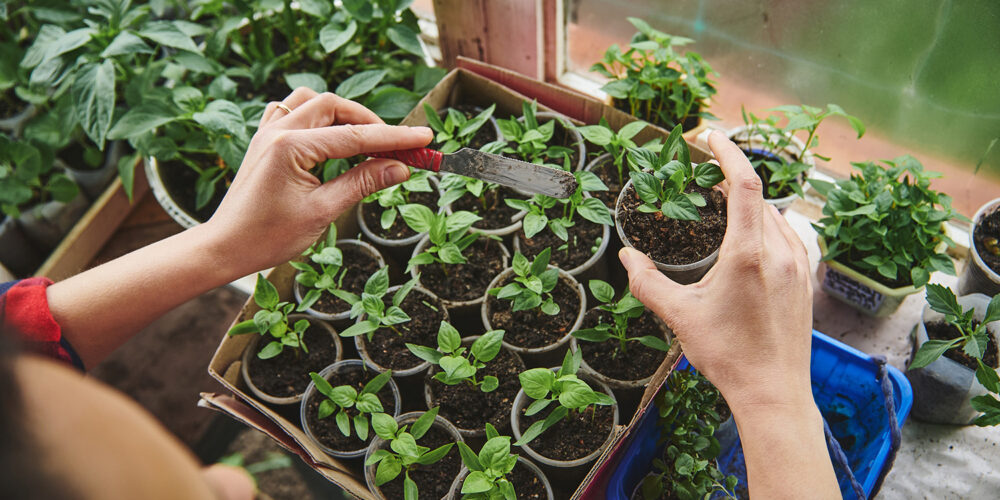
Plants that require a longer growing season typically benefit from being started indoors. Starting seeds early allows plants to grow large enough to produce fruit during our local growing season.
Common vegetables that should be started indoors include cool crops such as broccoli, cabbage, cauliflower, Brussels sprouts, bok choy, and kale. Other plants that benefit from indoor starting include tomatoes, peppers, tomatillos, radicchio, and eggplant.
Seeds That Should Be Direct Sown
Plants that grow underground generally do not respond well to transplanting and perform best when seeds are planted directly into the soil. Root crops such as beets, carrots, leeks, onions, radishes, and turnips are typically grown this way.
Other vegetables that grow well from direct sowing include arugula, beans—both pole and bush varieties—corn, cucumbers, lettuce, melons, okra, peas, pumpkins, spinach, squash, Swiss chard, and watermelon. While some of these plants can technically be started indoors, they grow quickly and are usually easier to plant directly in the garden.
Starting Flower Seeds
Many flowers can also be started indoors if desired. Always follow the directions on the seed packet for recommended planting times and planting depth.
Some flower varieties benefit from an early start indoors, while others germinate quickly and are easier to sow directly outside.
Hardening Off Seedlings
When seedlings are started indoors, they grow in a stable environment with controlled temperatures and no wind. Before planting them in the garden, they must go through a process called hardening off.
Hardening off gradually introduces seedlings to outdoor conditions such as sunlight, wind, and fluctuating temperatures. This helps prevent transplant shock and allows plants to establish more successfully in the garden.
Starting Seeds Successfully
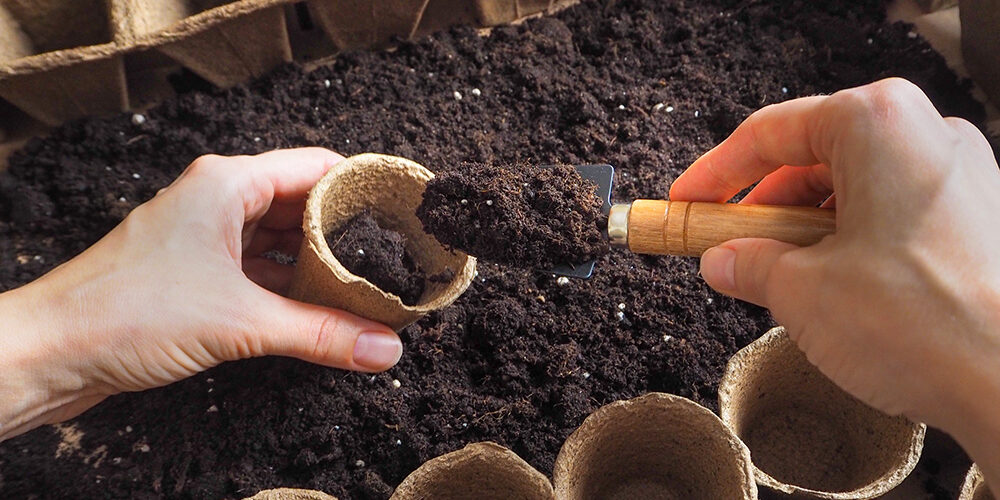
Always begin with clean containers. You can use new pots or wash reused containers with a 10 percent bleach solution.
Fill containers with a high-quality seed starting mix or potting soil to provide the proper structure and drainage for young roots. With good light, consistent moisture, and proper planting depth, seedlings will develop into strong, healthy plants ready for the garden.
Suburban Recommends for Seed Starting
Having the right supplies makes seed starting easier and more successful.
A quality seed starting mix provides the ideal environment for young roots to develop. Seed trays and containers help organize seedlings and support proper germination indoors. Many gardeners also benefit from using grow lights, which help prevent seedlings from becoming leggy and encourage strong growth. Plant labels make it easy to track varieties and planting dates, while high-quality vegetable and flower seeds set the stage for a productive garden.
Suburban Lawn & Garden has everything you need to start seeds successfully this season. Shop our seed starting supplies department.
See you in the Garden Center!

About the Author
Kim Dyer is part of the Suburban Lawn & Garden team and enjoys helping customers choose the right plants, seeds, and gardening tools for success. With years of hands-on experience and a passion for teaching, Kim brings practical knowledge and friendly guidance to every gardener she meets.