
Pruning is an important part of keeping shrubs healthy, attractive, and growing their best. Regular pruning can improve a plant’s shape, encourage fresh growth, increase flowering, and help maintain the right size for your landscape.
A good place to start with any shrub is by removing what are often called the three D’s:
- Dead
- Dying
- Diseased
These branches can generally be removed whenever you notice them. Beyond that, the best time to prune depends on the type of shrub, when it flowers, and what you hope to accomplish. Before reaching for the pruners, it helps to understand why the plant needs pruning.
Why Do We Prune Shrubs?
Pruning shrubs can serve several purposes in the garden and landscape. Depending on the plant, proper pruning can help:
- Control the size and overall shape of a shrub
- Encourage healthy new stems and fresh growth
- Promote more flowers on shrubs that bloom on new growth
- Improve air circulation and light penetration
- Reduce overcrowded or crossing branches
- Maintain a fuller, more balanced appearance
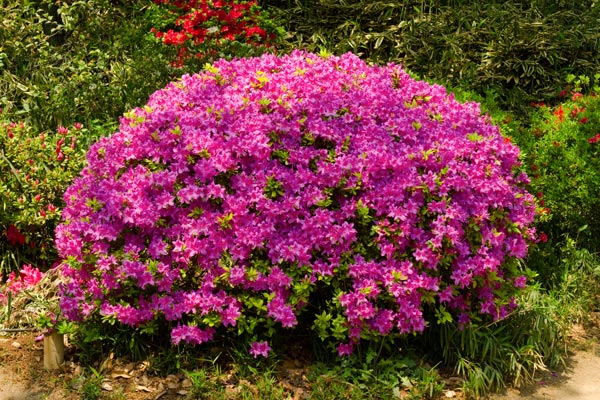
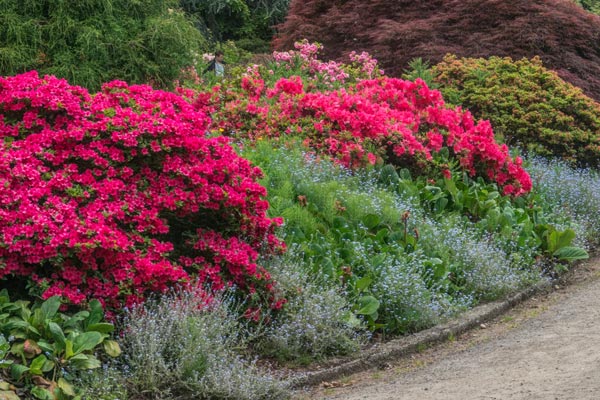
One of these azaleas has been carefully pruned to create and maintain a neat, rounded shape. The other has been pruned to control its size and encourage healthy, dense growth while allowing a more natural form to develop.
Both approaches are correct. How you prune a shrub often depends on the look you want to create in your landscape.
When Should I Prune?
There isn’t one ideal time to prune every shrub. The best timing depends on the type of plant and, especially, when it produces its flower buds.
A helpful way to determine when to prune is to know whether a shrub blooms on new wood or old wood.
New wood is growth produced during the current growing season. Shrubs that bloom on new wood generally develop their flower buds on fresh growth, so they can often be pruned in late winter or early spring before new growth begins.
Old wood is growth from the previous year or earlier. Shrubs that bloom on old wood already have their flower buds in place before spring arrives. These shrubs are generally best pruned after they finish flowering so you don’t accidentally remove the buds—and this year’s blooms.
Knowing whether your shrub flowers on new or old wood is one of the easiest ways to determine the right time to prune.
Spring-Blooming Shrubs on Old Wood
Many of the first shrubs to bloom in spring produce their flowers on old wood, meaning the flower buds were formed on stems that grew the previous year. These shrubs are best pruned shortly after they finish flowering.
Once flowering is complete, the shrub begins producing the new growth that will carry next spring’s blooms. Waiting too long to prune can mean removing those developing flower buds and reducing the following year’s display.
A helpful rule of thumb is to prune spring-flowering shrubs soon after blooming and, when possible, by Memorial Day. The farther pruning gets into summer, the greater the chance of cutting off next spring’s flowers.
Examples include:
- Forsythia
- Azaleas
- Magnolia shrubs
- Flowering quince
- Rhododendron
- Mountain laurel
- Pussy willow
- Weigela
Late Spring and Summer Bloomers on New Wood
Shrubs that bloom on new wood produce their flowers on growth that develops during the current season. Because their flower buds have not already formed on last year’s stems, there is generally more flexibility when it comes to pruning.
Many of these shrubs can be pruned during winter dormancy or in late winter to early spring, before vigorous new growth begins. This encourages fresh stems that will produce flowers later in the season.
Examples include:
- Abelia
- Caryopteris
- Panicle hydrangea
- Smooth hydrangea
- Potentilla
- Rose of Sharon
- Butterfly bush
- Crape myrtle
A Word of Caution: Late Risers
Some shrubs are simply slower to wake up in spring. When the rest of the landscape is beginning to grow, these plants may still look bare and dormant.
Give them a little extra time before deciding that stems are dead and cutting them back. Pruning too early can result in removing healthy branches that simply haven’t started growing yet.
Plants that may be slower to leaf out include:
- Crape myrtle
- Rose of Sharon
- Butterfly bush
Hydrangeas deserve a little extra attention. Panicle and smooth hydrangeas generally bloom on new wood and can be pruned in late winter or early spring. Bigleaf and oakleaf hydrangeas typically bloom on old wood, so unnecessary spring pruning can remove the flower buds that were formed the previous season.
Pro Tip: Clean and sterilize your pruning tools between shrubs to help prevent spreading diseases from one plant to another. This is especially important when removing branches that appear diseased or infected.
Use 70% isopropyl alcohol to wipe or dip the blades, or make a bleach solution using 1 part household bleach to 9 parts water. Because bleach can be corrosive, rinse and dry your tools thoroughly after use.
Before putting your pruning tools away, make sure they are completely dry and apply a light coat of oil to the metal parts to help prevent rust.
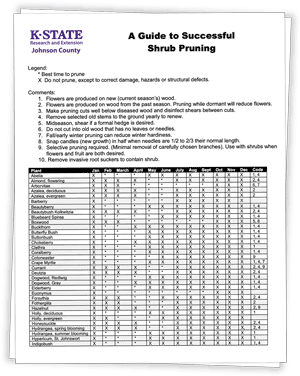
For a more thorough guide to when—and when not—to prune a variety of shrubs, we recommend the excellent information available from the Johnson County K-State Research and Extension Office. Their pruning resources offer helpful timing recommendations for many common landscape shrubs and can be a great reference when you’re unsure about a particular plant. PDF online.
Have More Questions?
Ask our garden advisors! Our knowledgeable team is happy to help with pruning questions, plant care, and choosing the right approach for the shrubs in your landscape.
More Resources on Gardening 101