YOUR SIMPLE GUIDE TO GROWING HEALTHY HYDRANGEAS IN KANSAS CITY
Hydrangeas are beautiful, if slightly misunderstood, flowering shrubs that have been cultivated for generations. With several different types—each with its own sun exposure and pruning requirements—successful hydrangea care starts with choosing the right plant for the right place. When planted correctly, there truly is a hydrangea that will thrive in every Kansas City landscape.
For a full selection suited to our region, visit the Hydrangea Department at Suburban Lawn & Garden.
Understanding the Different Types of Hydrangeas
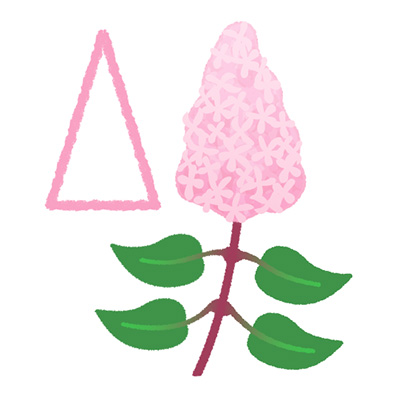
Panicle Hydrangea (Hydrangea paniculata)
Panicle hydrangeas are named for their cone-shaped blooms and wide range of mature sizes. They thrive with six or more hours of sun, making them ideal for south- or west-facing exposures.
These are new-wood bloomers, so prune in mid-March. Cutting plants back by about 30–50% encourages strong stems and abundant flowering.
Explore Panicle Hydrangeas including ‘Limelight’, ‘Bobo’, ‘Quick Fire’, and ‘Little Lime’.

Smooth Hydrangea (Hydrangea arborescens)
Smooth hydrangeas are adaptable and perform best with morning sun and protection from hot afternoon exposure.
They bloom on new wood, so prune back 30–50% in mid-March for consistent blooms and healthy growth.
Browse Smooth Hydrangeas such as ‘Incrediball’, Invincibelle®, and ‘Annabelle’.

Bigleaf Hydrangea (Hydrangea macrophylla)
Bigleaf hydrangeas prefer an east-facing exposure with full morning sun and afternoon shade. Avoid full shade and harsh afternoon sun.
Most varieties bloom on old wood. Remove spent blooms in mid-March only—never prune in fall or winter. A thick layer of mulch after leaf drop helps protect buds and improve bloom potential.
See Bigleaf Hydrangeas including Endless Summer® Original, Let’s Dance® series, Blue Jangles®, and ‘Nikko Blue’.

Climbing Hydrangea (Hydrangea anomala subsp. petiolaris)
A slow-growing flowering vine with white lacecap blooms and exfoliating bark, climbing hydrangea prefers morning sun and afternoon shade and needs a sturdy support.
Prune after flowering in summer only if shaping is needed.
View Climbing Hydrangeas including ‘Miranda’, ‘Petiolaris’, and ‘Barbara’.
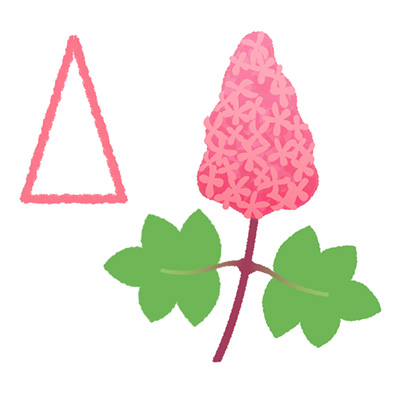
Oakleaf Hydrangea (Hydrangea quercifolia)
Oakleaf hydrangeas offer four-season interest—white blooms aging to pinkish-red, bold fall color, and exfoliating bark in winter.
They bloom on old wood, so prune only after flowering in mid- to late summer.
Discover Oakleaf Hydrangeas like ‘Alice’, ‘Snow Queen’, ‘Gatsby Pink’, ‘Snowflake’, and compact ‘Ruby Slippers’ or ‘Munchkin’.

Mountain Hydrangea (Hydrangea serrata)
Compact shrubs with delicate lacecap flowers, mountain hydrangeas prefer an east-facing location with morning sun and no afternoon exposure.
Most bloom on old wood, so prune sparingly after new growth appears in spring.
Browse Mountain Hydrangeas such as Tuff Stuff™ (‘Ah Ha’) and Let’s Dance® selections.
Changing Hydrangea Flower Color
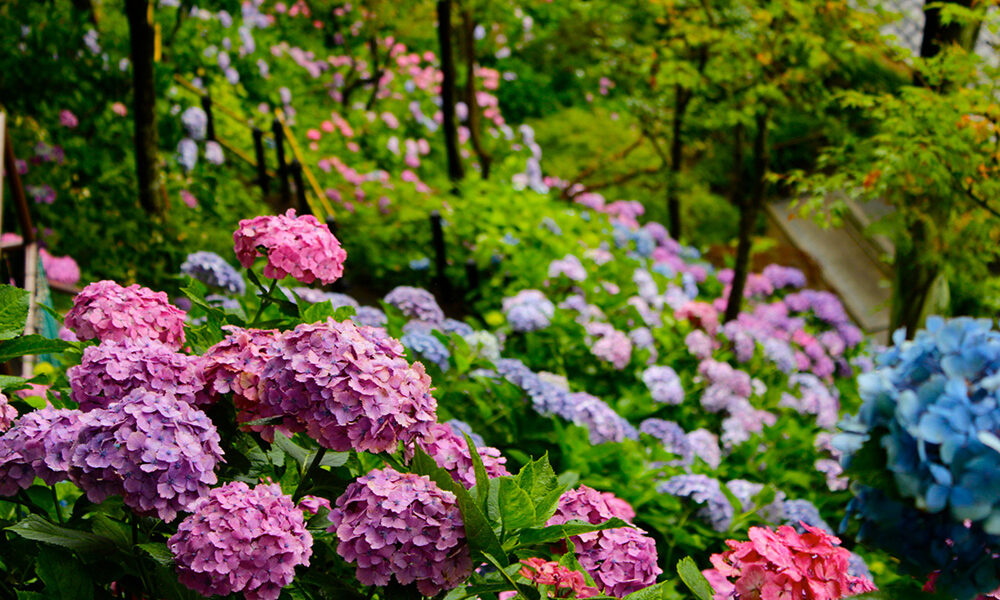
Flower color can be adjusted on bigleaf and mountain hydrangeas by altering soil pH. Lower pH produces blue to purple blooms; higher pH results in pink flowers. Changes take a few months and should be maintained yearly.
To encourage blue hydrangeas, lower soil pH so aluminum becomes available to the plant. Products like Aluminum Sulfate help shift color toward blue or purple.
To encourage or maintain pink hydrangeas, raise soil pH. Applying garden lime helps neutralize acidic soil and supports brighter pink tones. Find Espoma® Organic Garden Lime at Suburban Lawn & Garden and apply according to package directions.
Fertilizing Hydrangeas
Hydrangeas are heavy bloomers and benefit from steady nutrition. Slow-release fertilizers support healthy roots, strong stems, and consistent flowering without excessive leafy growth.
Begin fertilizing in early spring as new growth emerges, once the risk of hard frost has passed. This supports strong leaf development and sets the stage for healthy blooms.
Continue feeding through early summer, following label instructions for frequency. Avoid fertilizing late in the season, as pushing new growth too close to fall can make plants more vulnerable to winter damage. For reblooming varieties, a light mid-season feeding can help encourage continued flower production.
Espoma® Evergreen-Tone or Holly-Tone are slow-release, OMRI-certified organic options with beneficial microorganisms that aid nutrient absorption and overall plant health.
Shop Espoma® Evergreen-Tone and Espoma® Organic Holly-Tone.
Osmocote® provides time-tested, controlled feeding for reliable growth and bloom performance. Browse Osmocote® fertilizers and always fertilize according to package instructions.
Watering Requirements for Hydrangeas
Hydrangeas are known for their love of water, and consistent moisture is essential for healthy growth and flowering. They prefer evenly moist soil that drains well—never soggy, but never allowed to fully dry out.
Newly planted hydrangeas need more frequent watering as they establish roots, especially during warm or windy weather. Once established, most hydrangeas benefit from deep watering one to two times per week, depending on rainfall and temperature.
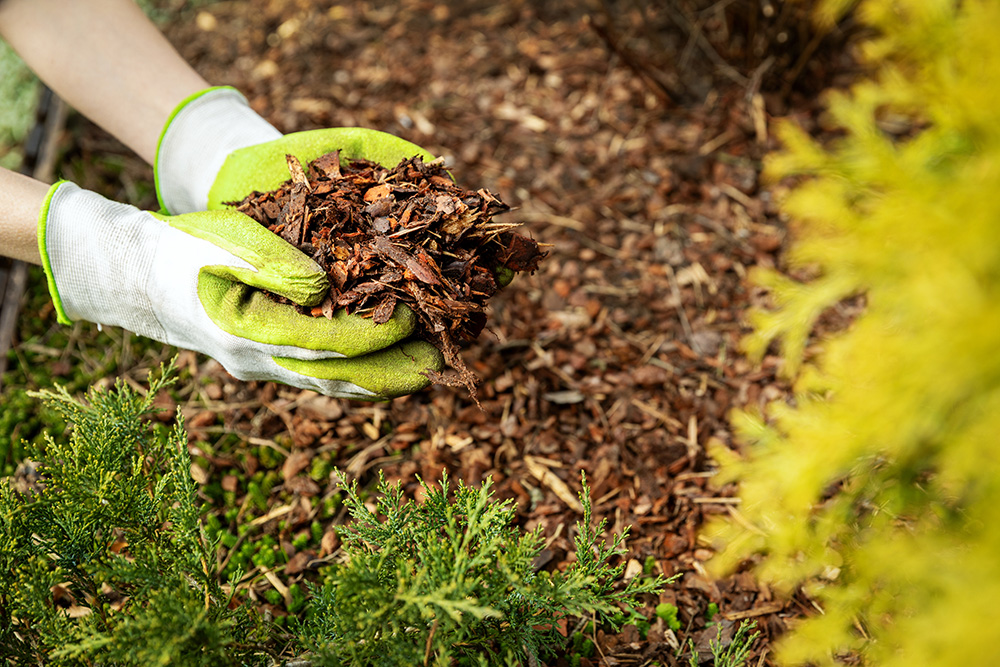
Hydrangeas growing in containers will require more frequent watering than those planted in the ground, particularly during summer. A layer of mulch around the base of the plant helps retain moisture, regulate soil temperature, and reduce stress during hot spells.
A good rule of thumb: if hydrangea leaves begin to droop during the day and don’t recover by evening, the plant likely needs water.
Final Thoughts
Hydrangeas reward gardeners who match the right plant to the right place. With proper siting, timely pruning, and thoughtful soil and fertilizer care, these long-loved shrubs can thrive and bloom beautifully for years. If you’re unsure which hydrangea fits your space, the Garden Advisors at Suburban Lawn & Garden are always happy to help.