TOUGH, SHADE-LOVING PERENNIALS THAT FLOWER WHEN LITTLE ELSE WILL
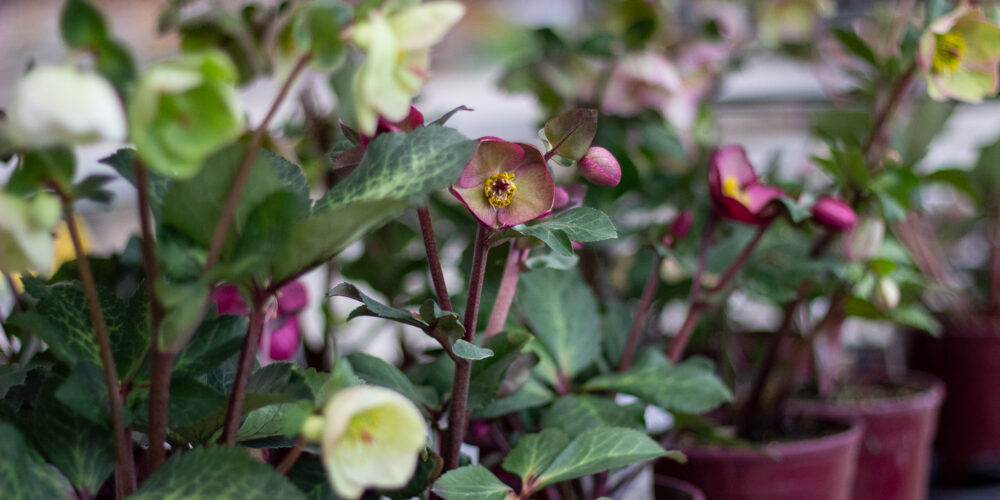
After January and February’s bitter cold, March arrives with the promise of warmer days ahead. The landscape is still mostly shades of brown, with dormant perennials and a few evergreens carrying the load. Then you spot a small cluster of dark green leaves tucked beneath a tree, where buds are beginning to form and show a touch of color. Helleborus, commonly known as Lenten roses, quietly persevere through the harshest conditions, offering one of the first and most welcome signs that spring is on its way.
Why We Love Helleborus
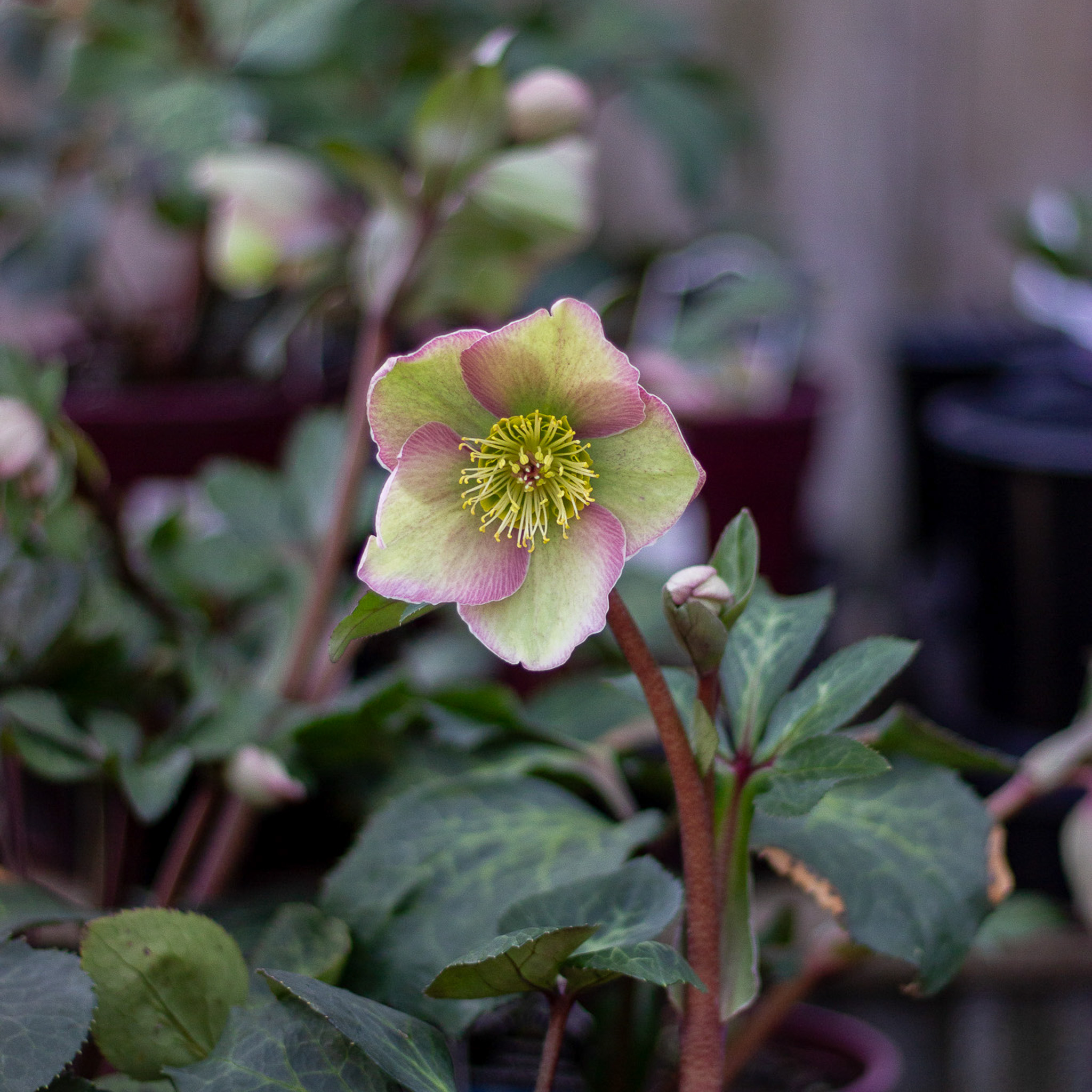
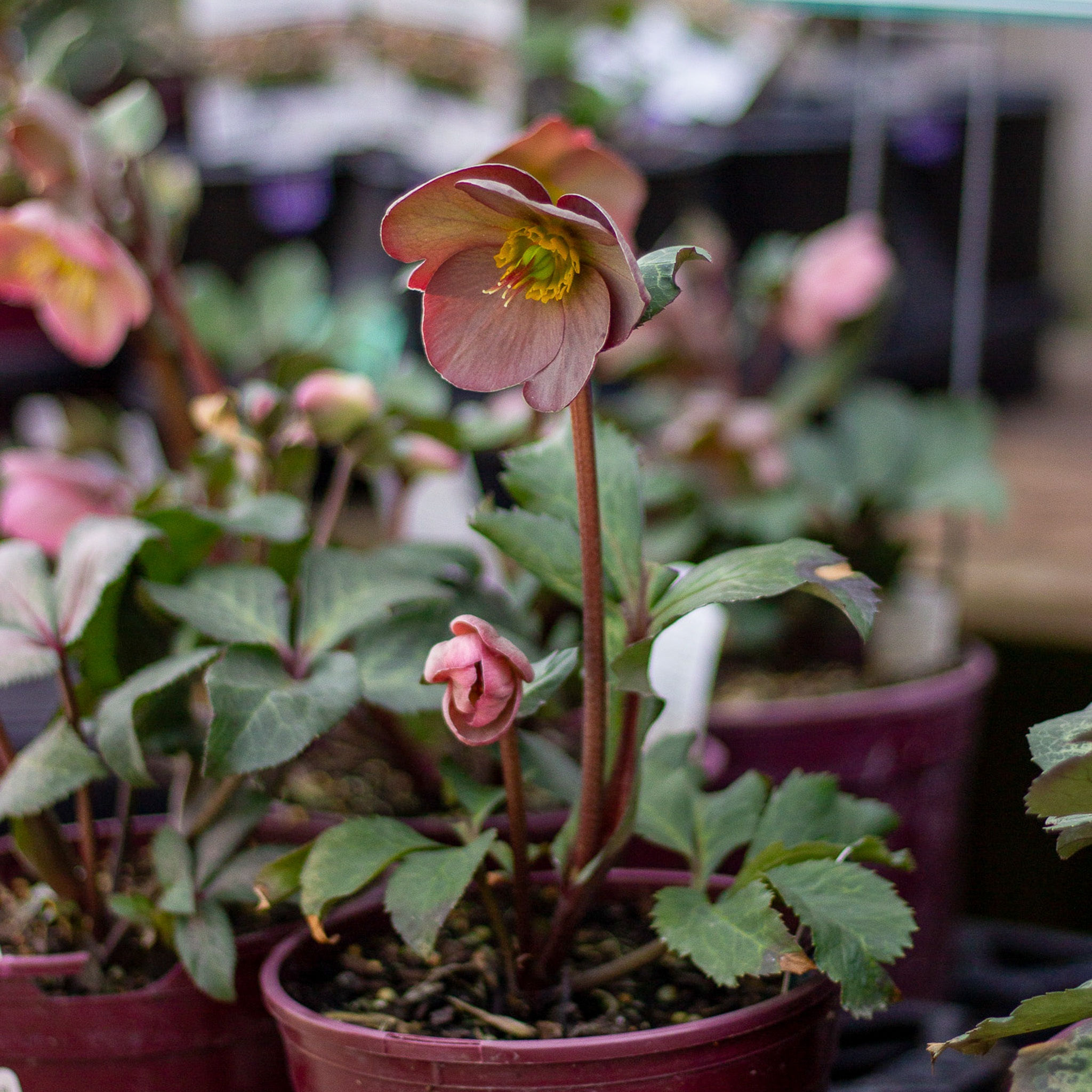
Hardy to Zone 4, Helleborus bloom when almost nothing else dares to. Their flowers emerge in late winter to early spring, often pushing through snow, and can last for weeks – even shifting in color as they mature.
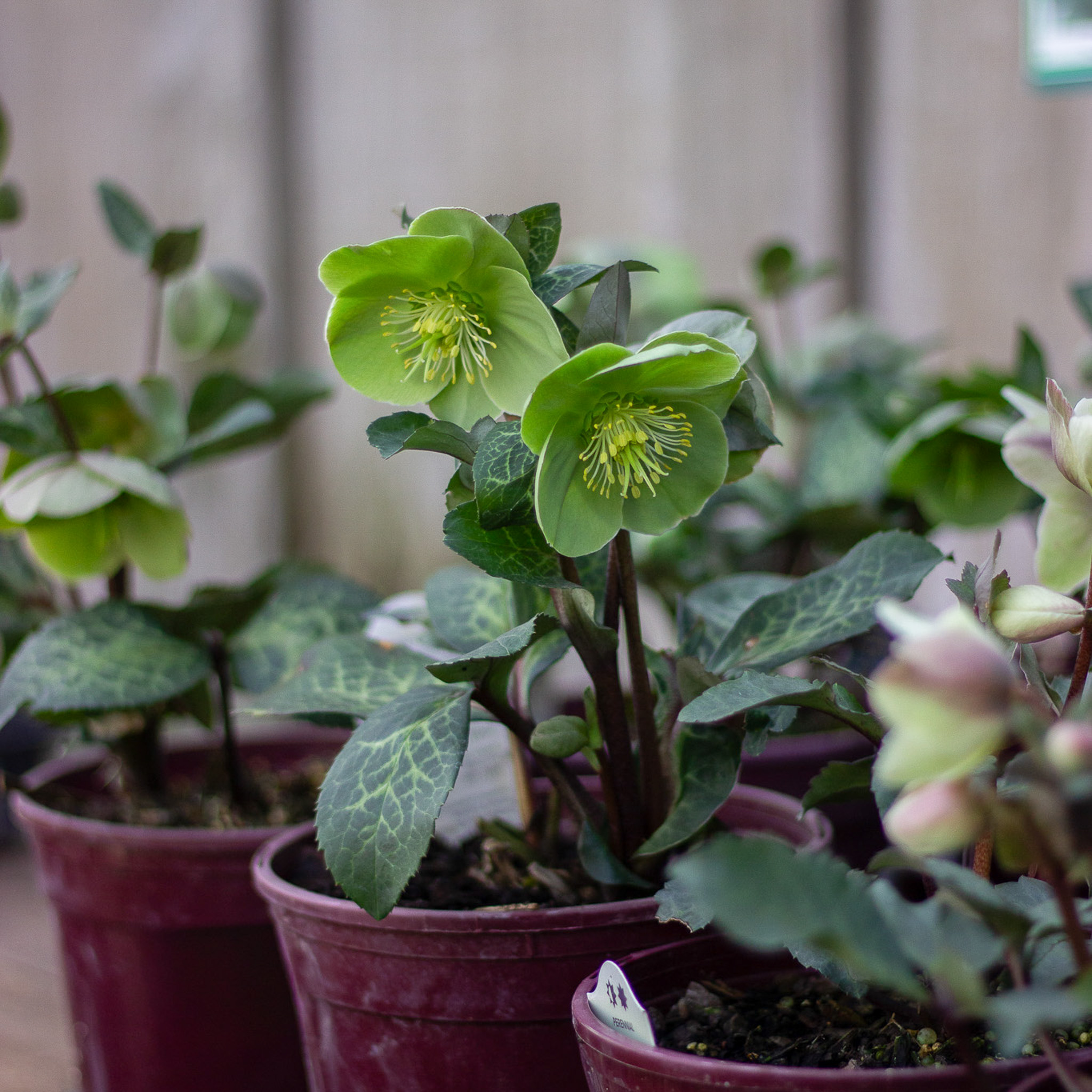
Their cup-shaped blooms face downward in soft, elegant layers, creating a subtle woodland feel. Many varieties offer speckled petals, picotee edges, and rich jewel tones.
Even better, Helleborus are deer and rabbit resistant and feature thick, evergreen foliage that looks beautiful year-round. They’re as tough as they are elegant.
Where Helleborus Grow Best
Helleborus thrive in partial to full shade, making them ideal for woodland gardens and shaded borders. They prefer rich, well-drained soil and once established, tolerate periods of drought – a welcome feature for Kansas City summers.
They also withstand winter temperatures down to -20°F, which explains why they look so unfazed when snow blankets the garden.
A Worthy Investment in Your Landscape
Unlike many early bloomers, helleborus are not fleeting. Their leathery foliage remains attractive long after flowering ends, anchoring shaded spaces with texture and structure through every season.
Plant them once and enjoy them for years.
Suburban Recommends: Designing with Helleborus
Pair Helleborus with shade-loving perennials like Heuchera, Ferns, and Hostas to create a layered woodland look that evolves through the seasons.
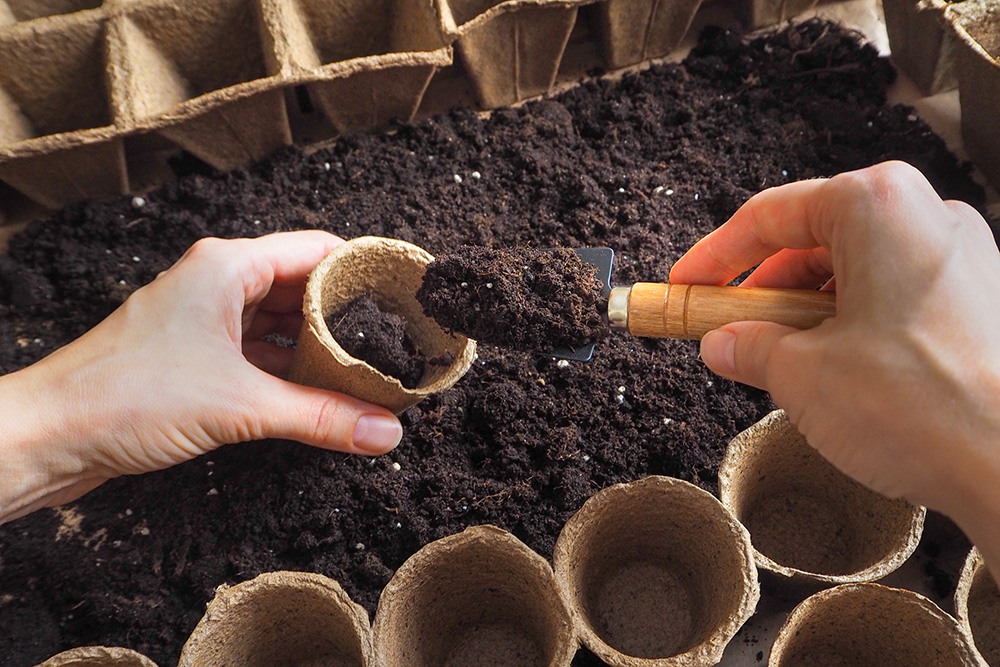
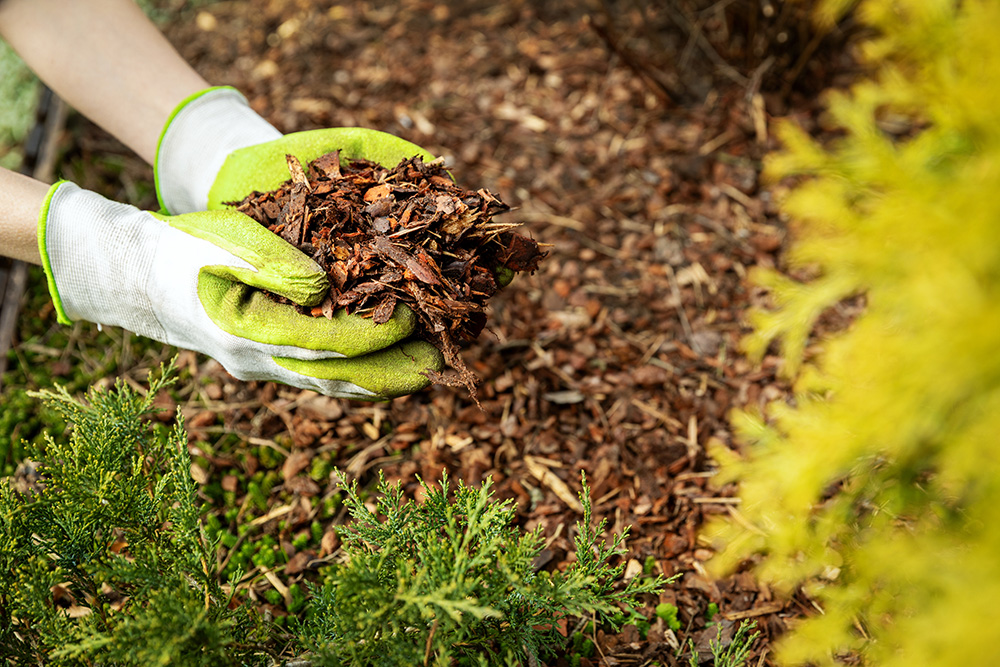
When planting, enrich the soil with Soil Conditioner, Compost, or Bio-tone Starter Plus to encourage strong root development and long-term vigor. Finish with a light layer of Mulch to help retain moisture and protect roots from temperature swings.
While Helleborus are naturally deer and rabbit resistant, protecting surrounding spring plantings with a quality deer and rabbit repellent can help maintain a cohesive, undisturbed garden.
To extend early-season color, tuck in snowdrop bulbs, crocus bulbs, or daffodil bulbs nearby for a natural succession of blooms that carries your garden from late winter into full spring.
Shop Helleborus at Suburban Lawn & Garden
Ready to welcome spring a little early? Visit any Suburban Lawn & Garden location to explore our selection of Helleborus or browse online to see what’s in bloom now.