
by Kim Dyer
Feeding the birds is a beloved year-round hobby—but it reaches its peak magic in late winter. With fewer outdoor tasks in January and February, we naturally spend more time watching the lively flashes of color outside our windows. Natural food sources become scarce, and the quiet winter backdrop of white, gray, and soft brown makes every flutter feel like a show just for us.
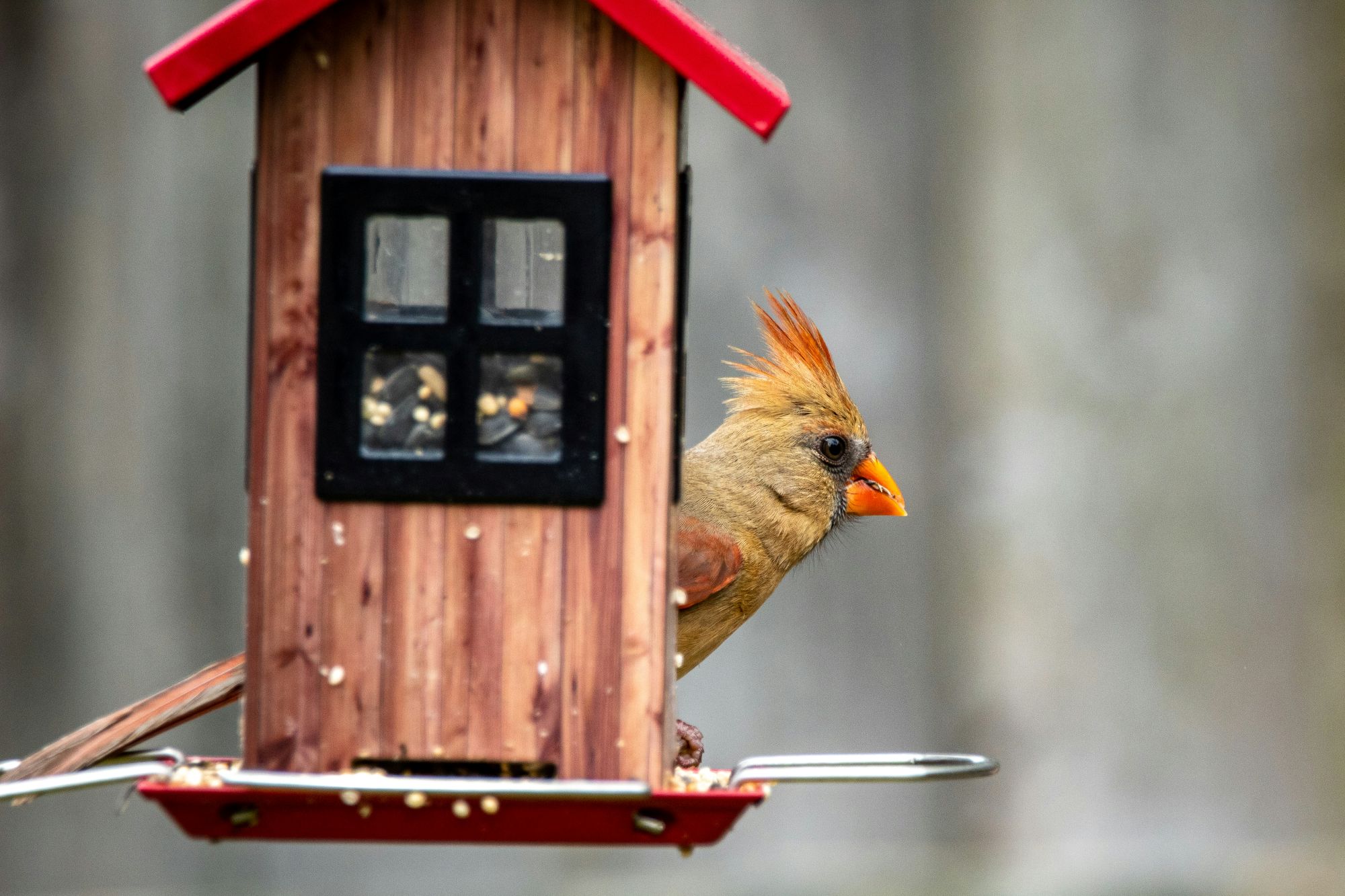
Different birds prefer different foods, and their beaks are perfectly designed for the seeds, nuts, or insects they naturally seek out. Tiny finches, for example, have small, fine beaks ideal for opening Nyjer hulls—so the debris under a finch feeder is simply the discarded shells, not wasted seed. Larger birds like jays, cardinals, or woodpeckers ignore Nyjer entirely because it’s too small for them. Knowing which species visit your yard helps you choose the right bird seed and pair it with an appropriate bird feeder, allowing you to attract the birds you most enjoy.
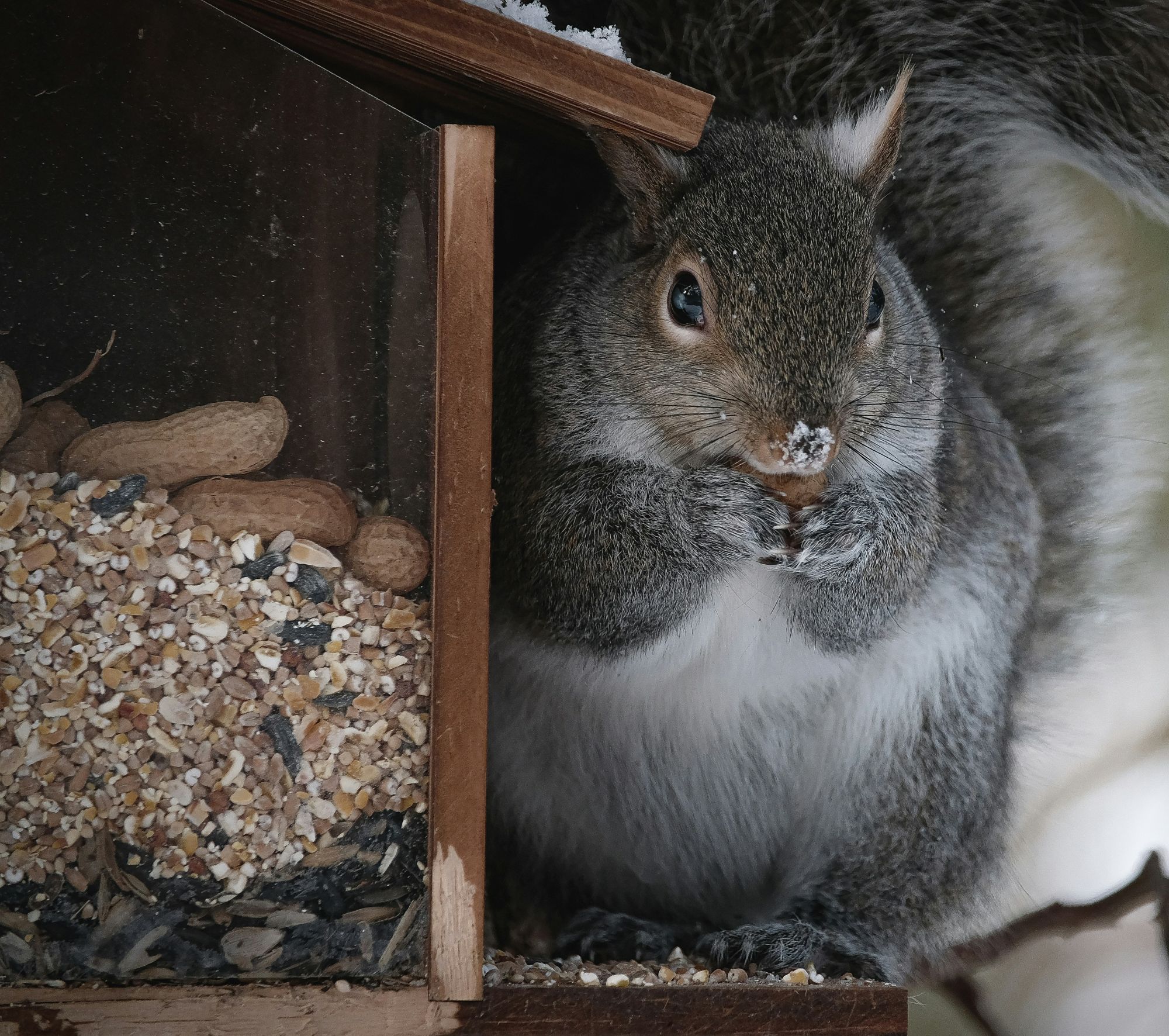
It’s also important to take stock of another frequent visitor: squirrels. These crafty characters can outsmart even the best-laid feeding plans. If they’re a constant presence, consider upgrading to squirrel-resistant feeders or adding baffles and accessories from our birding accessories collection. And if all else fails? Many gardeners simply choose to feed the squirrels too—watching them can be just as entertaining as watching the birds!
Different birds prefer different foods, and their beaks are perfectly designed for the seeds, nuts, or insects they naturally seek out. Tiny finches, for example, have small, fine beaks ideal for opening Nyjer hulls—so the debris under a finch feeder is simply the discarded shells, not wasted seed. Larger birds like jays, cardinals, or woodpeckers ignore Nyjer entirely because it’s too small for them. Knowing which species visit your yard helps you choose the right bird seed and pair it with an appropriate bird feeder, allowing you to attract the birds you most enjoy.
Fresh, clean water is essential for both feathered and furry friends, and it’s often more crucial in winter than in summer. Whether it’s a decorative ceramic birdbath, a bright glass birdbath, or a classic concrete birdbath, providing a consistent water source during freezing temperatures is one of the best ways to support wildlife. Add dark stones to capture warmth, refresh the water daily, or use heaters and accessories to help keep water from freezing—all simple steps that make a big difference.
Shelter is another important part of winter bird care. Adding a bird house or roosting box gives small birds a protected place to rest, hide from predators, and escape windchill. Many species will revisit these shelters throughout the winter, especially on the coldest nights.
To explore everything you need for a thriving winter bird haven—from seed and feeders to houses, water sources, and squirrel solutions—visit our complete Wild Bird department for inspiration and supplies.
At Suburban Lawn & Garden, we’re here to help you enjoy the beauty, antics, and unexpected moments of winter birdwatching. Whether you’re new to the hobby or an experienced backyard birder, our team is ready to guide you toward the right products for your space.
Note: Please make sure to follow Suburban Lawn & Garden’s Proper Care and Maintenance of Birdbaths
About the Contributor
Kim Dyer is part of the Suburban Lawn & Garden team and enjoys helping customers create welcoming habitats for wildlife year-round. With a passion for plants, birds, and all things gardening, they bring practical experience and friendly advice to every project.