
TIPS TO KEEP YOUR HOUSEPLANTS HEALTHY IN WINTER
Winter can be a tough season for houseplants. Shorter days, lower humidity, and cooler temperatures all contribute to slower growth and stressed plants. With the right adjustments and a few helpful tools, you can keep your indoor garden healthy and happy through the winter months.
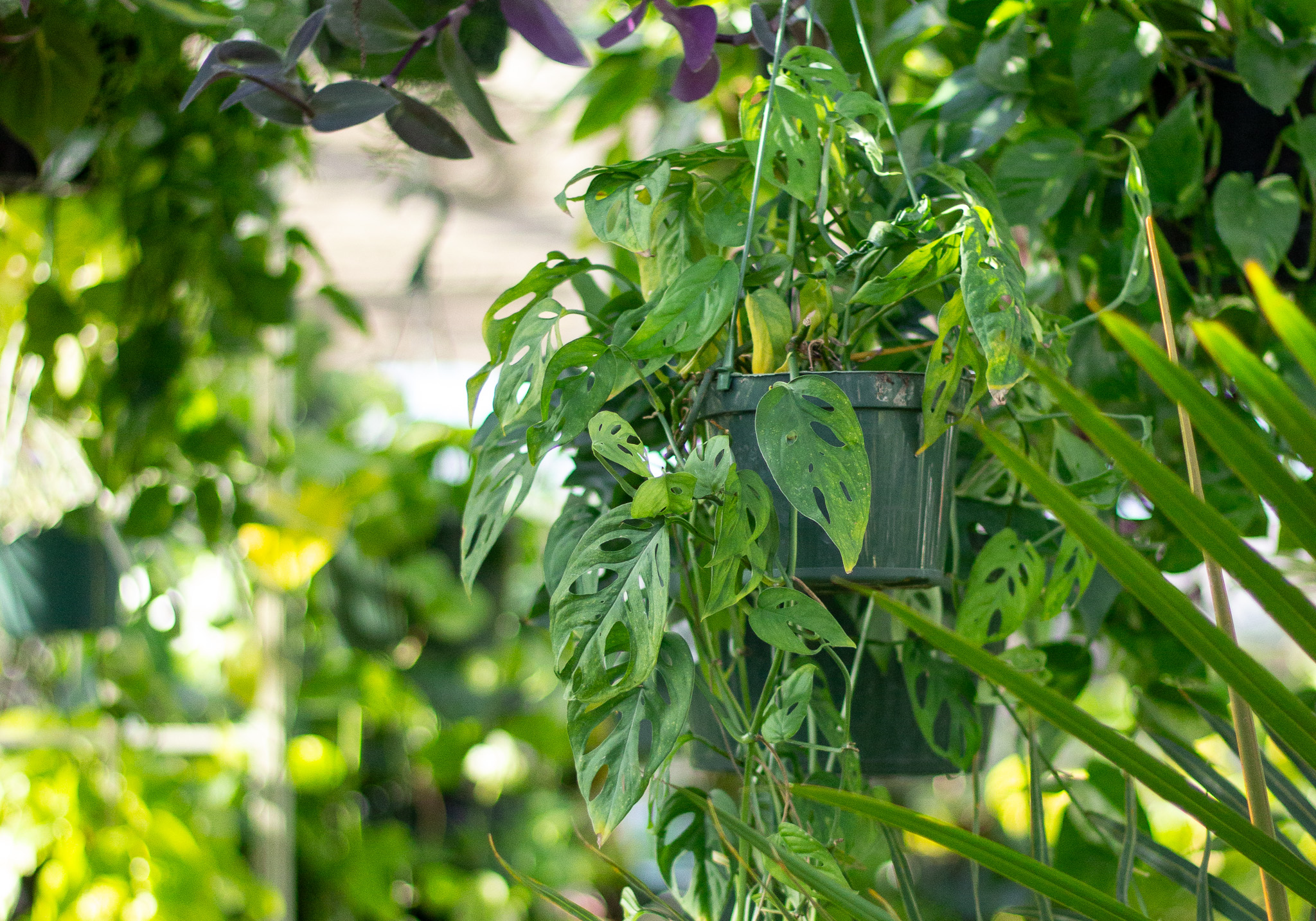
Why Winter Care Matters
During winter, indoor plants face several challenges. Reduced daylight, dry indoor air from heating systems, and fluctuating temperatures can all impact plant health. These changes often lead to yellowing leaves, leaf drop, or stalled growth—but thoughtful care can help plants adapt and stay strong until spring.
Maximize Light Exposure
As daylight hours shorten, many houseplants benefit from supplemental lighting. Move plants closer to south- or west-facing windows when possible, rotate them weekly for even growth, and keep leaves dust-free so they can absorb as much light as possible.
When natural sunlight isn’t enough, adding artificial light helps plants maintain healthy foliage and structure throughout the winter.
Suburban Recommends
Full-spectrum LED grow lights for home use
Commercial-grade grow lights for larger indoor plant collections
Monitor Indoor Humidity
Indoor air often becomes much drier in winter due to heating systems. Many houseplants—especially tropical varieties—are sensitive to low humidity, which can cause leaf edges to brown or curl.
Rather than adding equipment, focus on awareness and placement. Grouping plants together can help create a more humid microclimate, and keeping plants away from heat vents and drafts helps reduce moisture loss. Watching your plants closely will tell you when adjustments are needed.
Suburban Recommends
Plant misters
Water Thoughtfully and Use the Right Tools
Most houseplants need less water in winter, but inconsistent watering is one of the most common causes of plant stress this time of year. Always check soil moisture before watering and allow the top inch of soil to dry between waterings for most plants.
Using the right tools removes guesswork and helps prevent overwatering. Moisture meters and light measuring devices help you understand what your plant is experiencing, while slow-release watering options support even moisture levels.
Suburban Recommends
Soil moisture meters and light measuring devices
Glass watering globes
Plant misters
Feed Lightly During Winter
Because plant growth slows during winter, most indoor plants require little to no fertilizer. Overfeeding can do more harm than good during this resting period.
If your plants show signs they need nutrients, apply fertilizer sparingly and reduce feeding frequency until longer days return in spring.
Suburban Recommends
Balanced liquid houseplant fertilizers
Watch for Pests and Treat Early
Dry winter air and stressed plants can invite pests such as spider mites and aphids. Regular inspection is key—check leaf undersides and stems for webbing, spotting, or sticky residue.
Catching problems early allows for gentle, effective treatment before pests spread.
Suburban Recommends
Organic insecticides safe for indoor use
Prune, Clean, and Maintain
Winter is an ideal time to tidy up your indoor plants. Removing yellow or damaged leaves helps redirect energy, while cleaning dust from foliage improves light absorption.
Using proper tools ensures clean cuts and healthier plants during maintenance.
Suburban Recommends
Plant care tools and pruning essentials
Final Thoughts
Winter doesn’t have to be hard on your houseplants. With small adjustments, regular observation, and the right care tools, your indoor plants can remain healthy and vibrant all season—ready to thrive when spring arrives.